
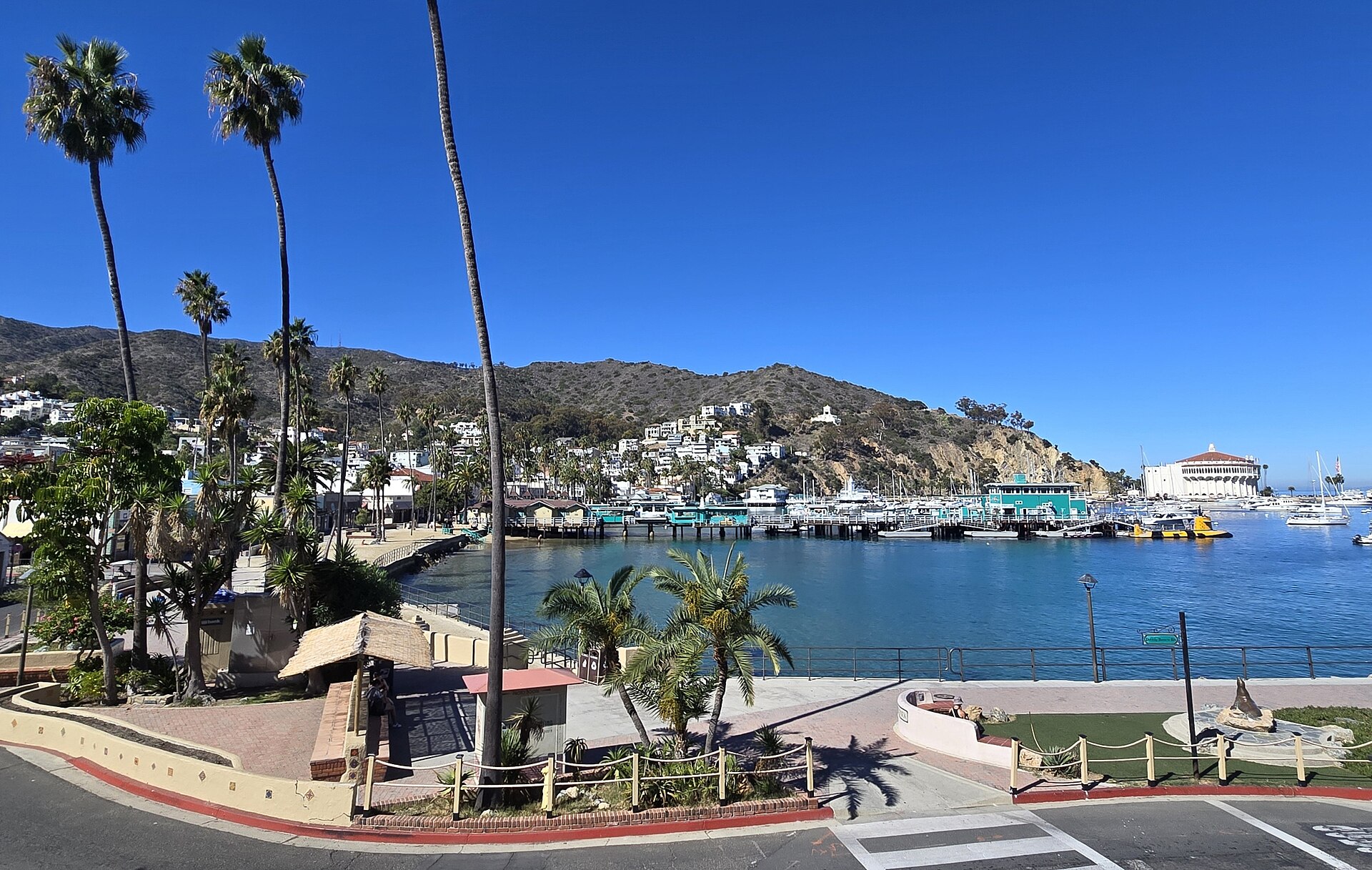
Santa Catalina Island sits about an hour off the Southern California coast, close enough that a Catalina Island day trip is one of the easiest ways to trade the freeways of Los Angeles for a small harbor town with no traffic to speak of. You catch a morning ferry, spend six or seven hours in Avalon walking, snorkeling and riding up to the botanic garden, and are back on the mainland in time for dinner.
This guide covers how to get there from LA and Orange County, a realistic one-day plan for Avalon, the quieter Two Harbors alternative, the bison and the island’s wild interior, and what is worth booking ahead. Ferry fares, parking rates and tour hours below come from the operators’ own websites as of November 2026; they change by season, so check before you go.
Is a Catalina Island day trip worth it?
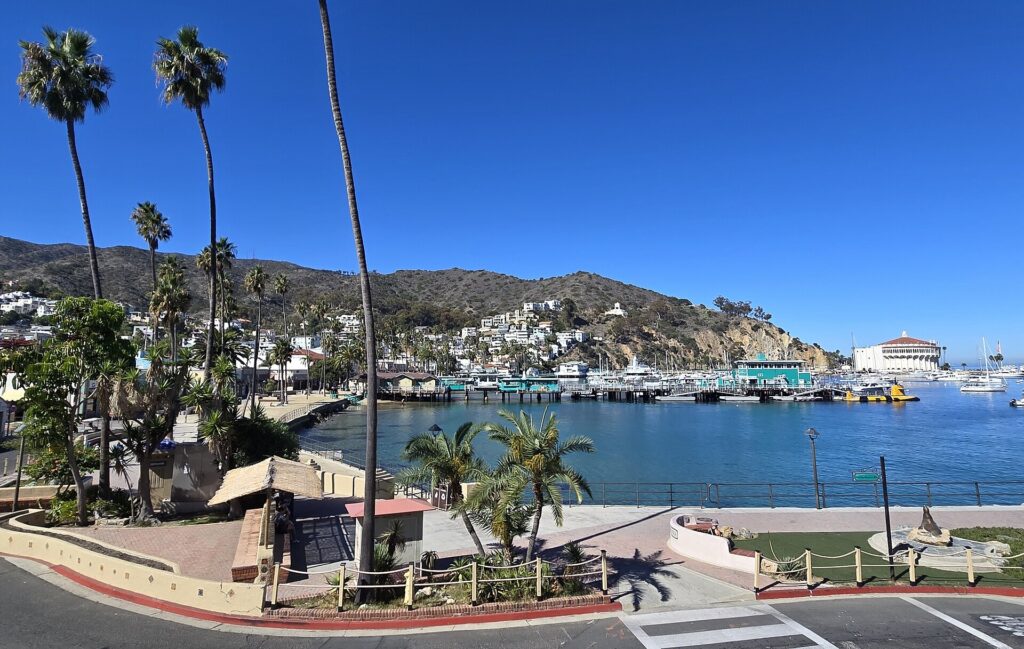
Yes, if you go in with the right expectations. Avalon, the island’s only city, is compact and walkable, so a single day is enough to see the main sights around the bay: the Catalina Casino, the Green Pleasure Pier, the snorkeling coves and the Wrigley Memorial & Botanic Garden. What a day trip will not give you is much of the island’s interior or its far west end; for that you need an eco tour, a longer stay, or both.
Plan on roughly two hours of round-trip boat time plus getting to the port, which makes it a full day. If you are already collecting coastal day trips, see our wider list of day trips from Los Angeles.
Getting to Catalina from LA
There are no car ferries to Catalina and no car rentals on the island, so everyone arrives on foot by boat or by air. Visitors cannot bring or drive a regular car on the island; only businesses and a limited number of residents may own full-size vehicles.
Catalina Express: Long Beach, San Pedro and Dana Point
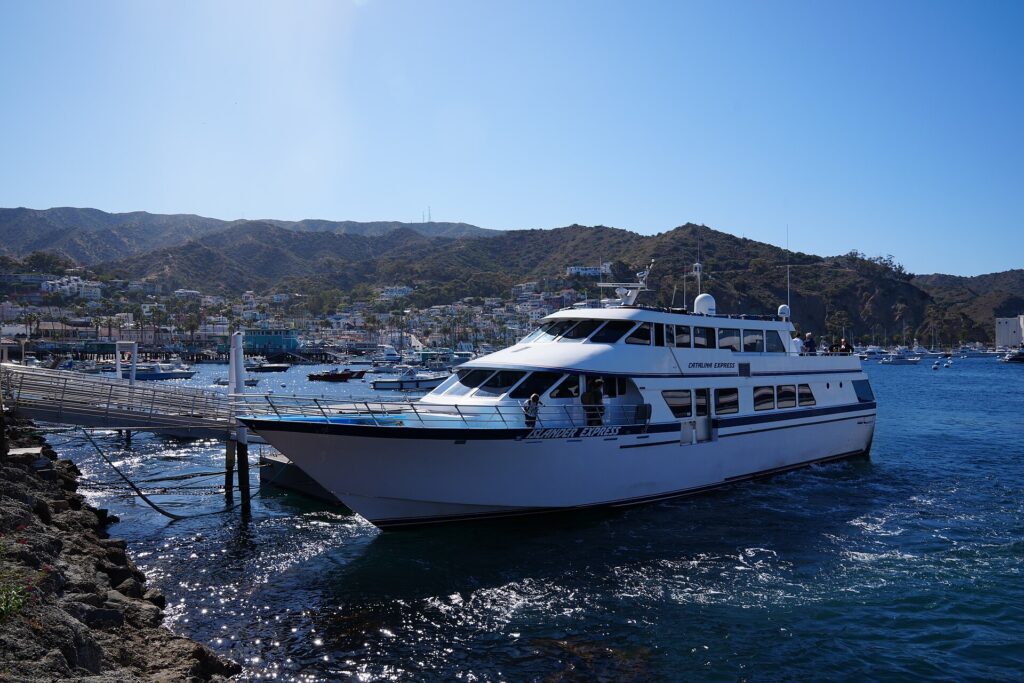
Catalina Express is the main ferry line, with up to 30 departures a day from three mainland ports. Its published crossing times are:
- Long Beach to Avalon: about 1 hour. The terminal is at 320 Golden Shore, and this port has the most departures, which makes it the usual choice from most of LA.
- San Pedro to Avalon: about 1 hour 15 minutes, from the Catalina Sea and Air Terminal at Berth 95. San Pedro is also the port for direct boats to Two Harbors.
- Dana Point to Avalon: about 1 hour 30 minutes, from 34675 Golden Lantern St. in Dana Point Harbor. Handy if you are staying in south Orange County.
For the winter 2026–27 schedule (October 20, 2026 to March 31, 2027), Catalina Express lists round-trip adult fares of $103 from Long Beach or San Pedro to Avalon, $101 from San Pedro to Two Harbors and $111 from Dana Point, including the island wharfage fee and tax. Bikes and surfboards cost extra. Fares can change with fuel surcharges and the timetable changes several times a year, so confirm both on catalinaexpress.com before you plan the rest of the day around a particular boat.
Catalina Flyer from Newport Beach
The Catalina Flyer still runs from the Balboa Pavilion area in Newport Beach (ticket office at 400 Main Street). The operator lists a crossing of about 75 minutes and a round-trip adult fare of $94, with daily service from March through November and limited sailings in winter. Departure times vary by day, so build the rest of your plan around the boat. If you are combining Catalina with time on the Orange County coast, our Newport Beach and Laguna Beach coastal tour makes a good second seaside day.
By helicopter
Maverick Helicopters flies to Catalina from the Queen Mary area in Long Beach in about 15 minutes, with listed fares from $199 per person, and from San Pedro in about 25 minutes from $249. Prices vary with season and demand. It is an expensive way to save a couple of hours, but some people fly one way and take the boat back.
Parking at the ferry ports
All three Catalina Express ports have paid lots run by private operators. As listed on the ferry line’s port pages: Long Beach is $26.95 per 24-hour period, San Pedro is $23 per day, and Dana Point is $24 per vehicle per day (plus service fees if you pre-pay). Rates change, and summer weekends fill up, so arrive early. If you have a spare evening before or after the boat, our guide to things to do in Long Beach covers the waterfront around the terminal.
Getting around Avalon
Avalon covers less than three square miles, and the island’s own tourism office says walking is the preferred way to get around. Most of the day-trip sights sit along Crescent Avenue, the waterfront street that curves around the bay from the ferry landing to the Casino.
- Golf carts: the classic Avalon experience. Carts are rented by the hour only, with a two-hour maximum, and cannot be rented for a full day. Each rental company sets its own minimum driver age and license rules, so check when you book. Carts are handy for the climb to the Wrigley Memorial and the viewpoints above town.
- Bikes: available to rent in town; Avalon’s streets are short but some are steep.
- Taxis and on-demand shuttles: taxis operate in Avalon, and COAST by Circuit offers on-demand rides within city limits starting at $2 per rider. Uber and Lyft do not operate on the island.
A sample day in Avalon
This plan assumes a morning boat that lands around 9 or 10 a.m. and a late-afternoon return. Swap the order around tour times you have booked.
Morning: the Catalina Casino
Walk along the waterfront to the round white building at the end of the bay. Despite the name, the Catalina Casino is an entertainment hall, not a gambling venue. William Wrigley Jr., the chewing-gum magnate who owned the island, opened it on May 29, 1929. Upstairs is the 20,000-square-foot Art Deco ballroom, described as the largest circular room in the world without supporting pillars. Downstairs, the Avalon Theatre was built in 1929 as one of the first theaters designed for sound films and still has its original pipe organ.
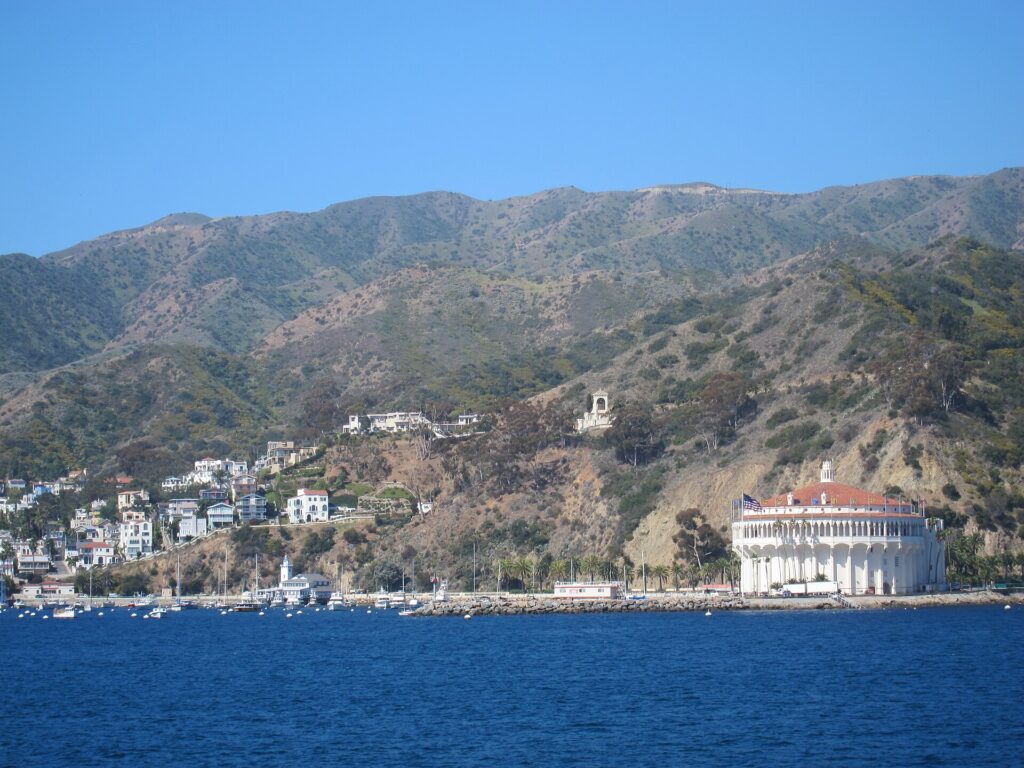
The Catalina Island Company runs a Catalina Casino General Admission visit, which lets you explore the theater, the Wrigley Ballroom, the Marine Bar and the outdoor promenade at your own pace, and a separate VIP Backstage Tour. The entrance murals by John Gabriel Beckman are worth a slow look. Expect some uphill walking on ramps inside the building, so wear comfortable shoes.
Late morning: Descanso Beach and the water
A short walk past the Casino brings you to Descanso Beach and the Descanso Beach Club. At its entrance, Descanso Beach Ocean Sports rents kayaks, stand-up paddleboards and snorkel packages by the hour or the day, weather permitting, and runs guided kayak trips along the coast.
The island’s tourism office names three snorkeling spots in Avalon: Lover’s Cove, Casino Point Dive Park and the waters around Descanso Beach. Lover’s Cove, just east of the ferry landing, is a State Marine Conservation Area: collecting or harming marine life is prohibited, which is why the fish are so plentiful. Snorkeling from the public beaches is free; you pay only to rent gear or join a guided tour. Summer has the warmest water, and in cooler months a rented wetsuit makes a big difference. Lover’s Cove is rocky rather than sandy, so water shoes help.
Midday: glass-bottom boat or semi-submarine
If you would rather stay dry, two boat tours leave from the Green Pleasure Pier in the middle of the bay. The Glass Bottom Boat Voyage heads into the Lover’s Cove preserve; the Catalina Island Company says it has run glass-bottom trips here for nearly a century. The Undersea Sub Expedition uses a semi-submersible whose cabin sits about five feet below the surface, with an individual porthole for each seat. Bright orange garibaldi are the usual stars, along with calico bass and bat rays. Reservations are recommended for both.
Lunch is easy: Crescent Avenue and the pier are lined with casual seafood counters, cafes and restaurants with harbor views.
Afternoon: Wrigley Memorial & Botanic Garden
The Wrigley Memorial & Botanic Garden, run by the Catalina Island Conservancy, sits at the top of Avalon Canyon about 1.7 miles from the ferry terminal. The memorial tower was commissioned by Ada Wrigley after her husband’s death and completed in 1934, built as far as possible from island materials: crushed local stone in the concrete, blue flagstone from Little Harbor and tiles from the Catalina Pottery Co. The view from the top over Avalon Canyon to the ocean is one of the best on the island.
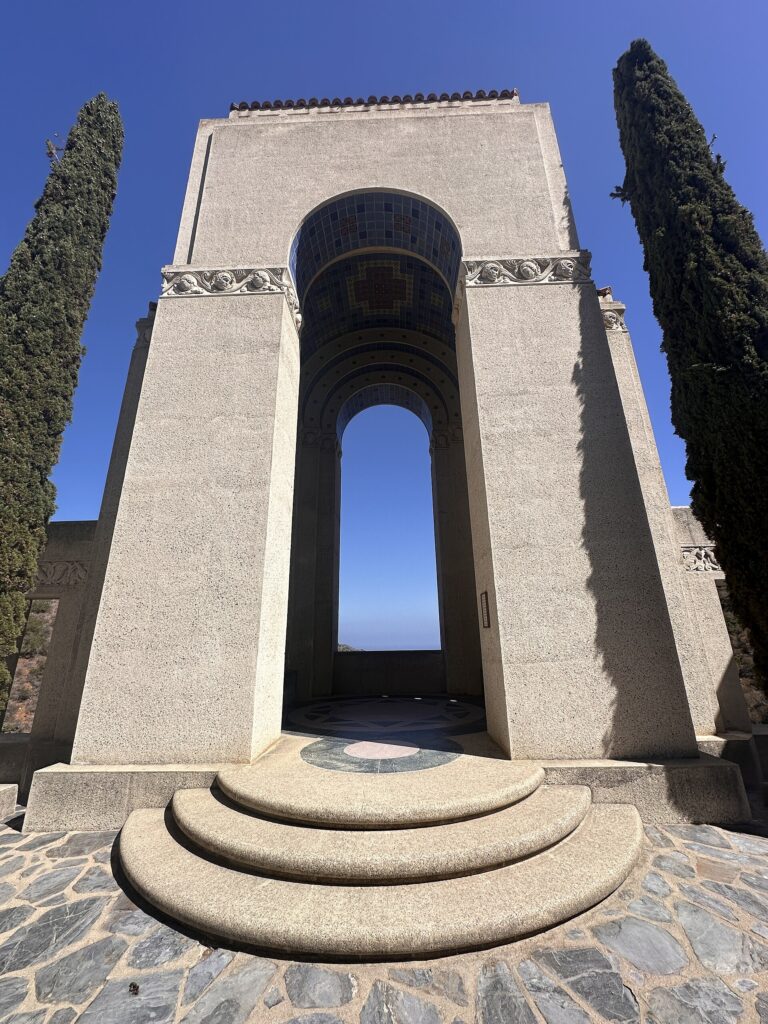
The garden focuses on plants found only on the Channel Islands, including Catalina ironwood, Catalina mountain mahogany and St. Catherine’s lace. It is open daily from 8 a.m. to 5 p.m.; adult admission is $13.58 including taxes and fees, with lower prices for seniors, students and children 5 to 12. You can walk up Avalon Canyon Road (about 45 minutes from the ferry), go by golf cart, bike or taxi, or take the free shuttle that runs about every 40 minutes from the Conservancy’s Trailhead Visitor Center when staff are available.
Before the boat: Catalina Museum for Art & History
Back in town, the Catalina Museum for Art & History (formerly the Catalina Island Museum) has a permanent exhibition on the history of the island plus rotating art shows; winter 2026–27 includes “Catalina Wheels,” a photography exhibition opening November 21, 2026. A Casino General Admission ticket gives $2 off museum admission. It is a good last stop if you have an hour before your return sailing.
The Two Harbors option
Two Harbors, near the island’s west end, is the other village on Catalina and feels very different from Avalon: a narrow isthmus with a harbor on each side, a small beach, a restaurant, a dive and recreation center and trails heading into the hills. It suits hikers, kayakers and anyone who wants quiet more than shopping and tours.
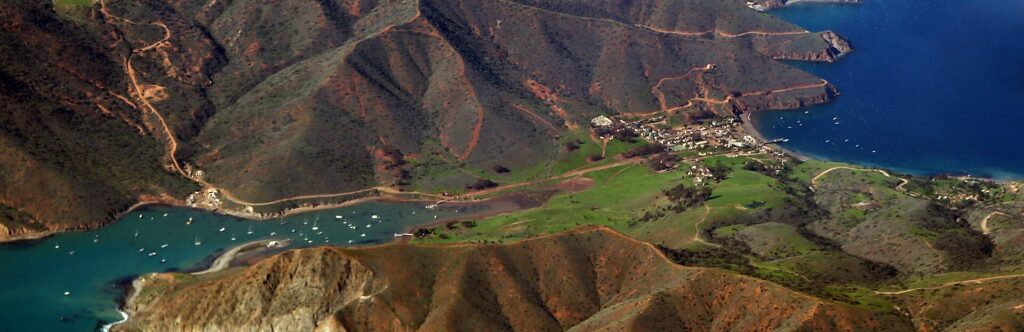
There are two ways to do it as a day trip. Catalina Express runs San Pedro to Two Harbors boats, though on far fewer sailings than the Avalon routes. In season, the Catalina Island Company’s Discover Two Harbors service connects Avalon and Two Harbors in about 40 minutes; it runs from May to early October. In Two Harbors, Harbor Reef Restaurant serves lunch on an ocean-view patio, and the Dive & Recreation Center at the foot of the pier rents kayaks, paddleboards, mountain bikes and snorkel gear. Check return times carefully, because missing the last boat means an unplanned night on the island.
Bison and the wild interior
Most of Catalina is protected wildland managed by the Catalina Island Conservancy, and its best-known residents are bison. According to the most common account, a small herd was brought over in 1924 for a Zane Grey western and never removed. The Conservancy keeps the herd at no more than 150 animals. If you see one, stay at least 100 feet away; they are wild and can be dangerous.
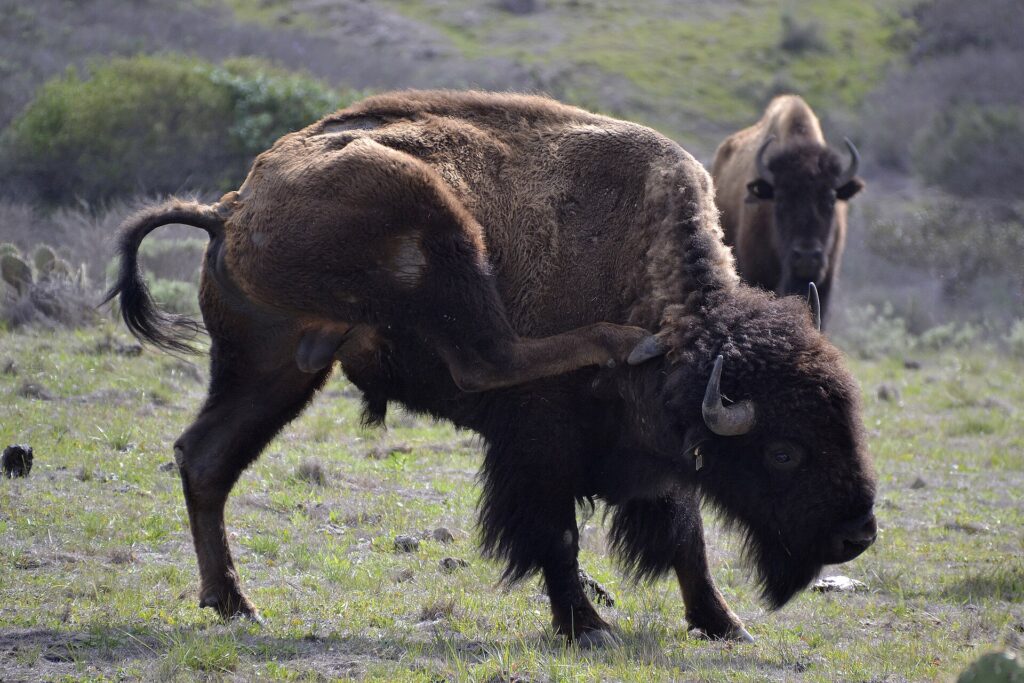
The easiest way to reach the interior on a day trip is a Conservancy Eco Tour, which leaves from the Trailhead Visitor Center at 708 Crescent Ave. in Avalon:
- Wildlands Discovery Tour: about 2 hours, the introductory option.
- Sunset Eco Tour: about 2 hours in the evening. It only works if you are staying overnight or catching a late boat.
- Hidden Catalina Expedition: about 3 hours, covering the most ground on remote roads.
Depending on the route, tours can include Airport in the Sky, the Ben Weston overlook and Middle Ranch, with chances to see bison, the endemic Catalina Island fox and bald eagles, though the Conservancy is clear that wildlife sightings are never guaranteed. A two-hour tour fits a day trip comfortably; a three-hour tour takes up most of your island time, so pair it with an early boat.
Best time of year to go
- Summer (June to August): the busiest season, with the warmest water for snorkeling and the most ferry departures. Book boats early, especially for weekends.
- Fall (late August to November): locals call it the “secret season”: still warm, with fewer crowds. Often the best balance for a day trip.
- Spring (March to May): pleasant weather, green hills and events on the island calendar.
- Winter (December to February): the quietest time. Fewer sailings, cooler water and some seasonal tours (such as the boat to Two Harbors from Avalon) not running.
For how Catalina fits into the wider LA calendar, see our guide to the best time to visit Los Angeles.
Practical tips for the day
- Book ahead: ferry tickets (essential in summer and on holiday weekends), the Glass Bottom Boat or Undersea Sub, Casino tours and Conservancy Eco Tours. A golf cart can usually be rented on the day, but lines form at midday in summer.
- Seasickness: the San Pedro Channel can be choppy, especially on windy afternoons. If you are prone to motion sickness, take your usual remedy before boarding, sit low and near the middle of the boat, and keep your eyes on the horizon.
- Pack light: you will carry everything all day. Bring layers (the boat ride can be cool and damp even in summer), sunscreen, a swimsuit under your clothes and water shoes if you plan to snorkel.
- Watch the clock: return boats leave on time, and the last sailing of the day can sell out. Be back at the ferry landing well before departure.
- Prefer the mainland? If the crossing is not for you, LA’s coastline has plenty of beach days without a boat; see our guide to Los Angeles beaches.
Catalina Island Day Trip: FAQ
How long is the ferry ride to Catalina?
About 1 hour from Long Beach, about 1 hour 15 minutes from San Pedro and about 1 hour 30 minutes from Dana Point on Catalina Express. The Catalina Flyer from Newport Beach takes about 75 minutes.
How much does the Catalina ferry cost?
On the winter 2026–27 Catalina Express schedule, a round-trip adult ticket is $103 from Long Beach or San Pedro and $111 from Dana Point, including the wharfage fee and tax. The Catalina Flyer lists $94 round trip for adults from Newport Beach. Fares change by season, so check the operator’s site before you book.
Can you drive a car on Catalina Island?
No. There are no car ferries or car rentals, and only businesses and a limited number of residents may drive full-size vehicles. Visitors walk, rent golf carts (by the hour, up to two hours) or bikes, or use taxis and the on-demand shuttle in Avalon.
Is one day enough for Catalina?
One day is enough for Avalon: the Casino, a snorkel or glass-bottom boat trip, the Wrigley Memorial & Botanic Garden and a meal on the waterfront. To add Two Harbors, longer hikes or a sunset eco tour, plan an overnight stay.