
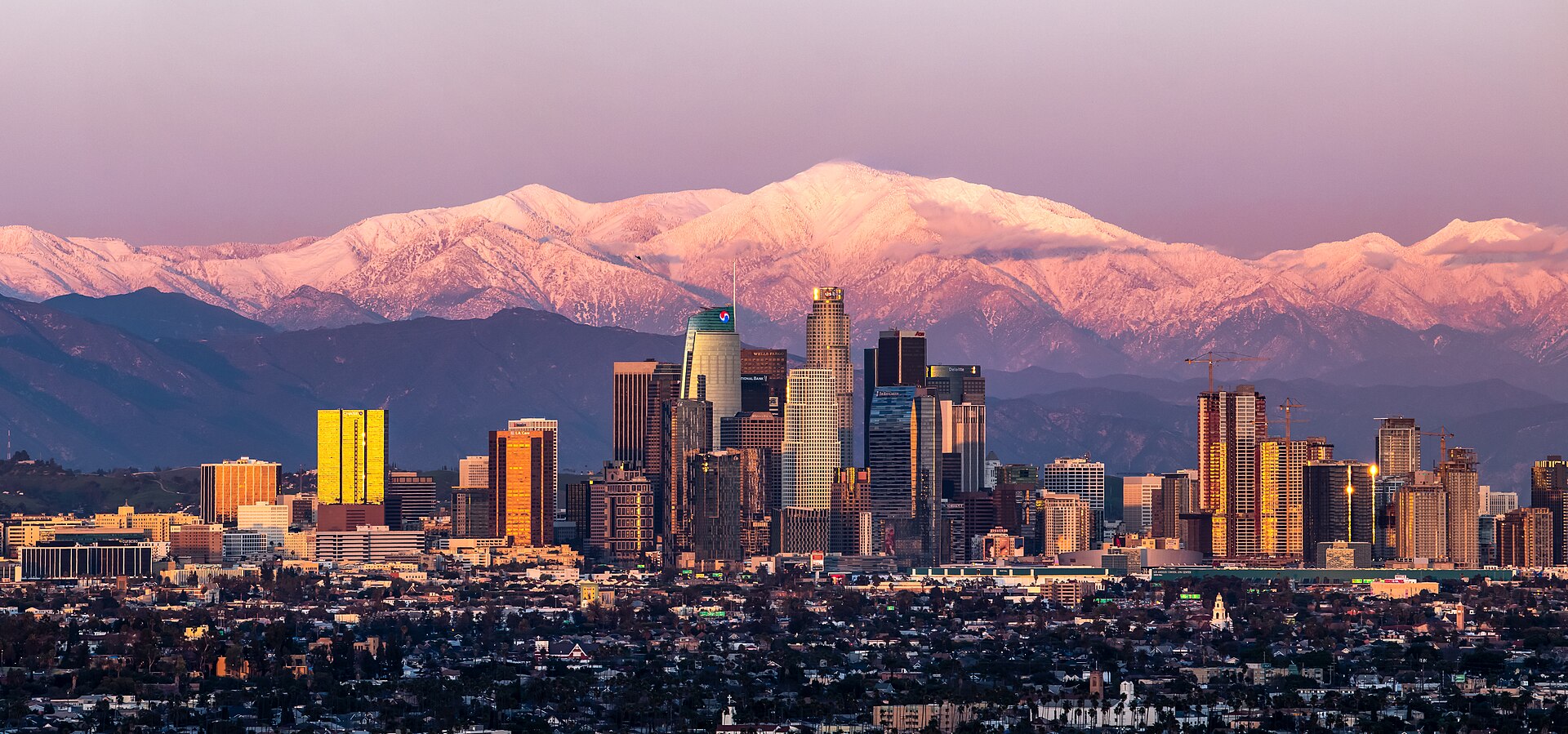
Los Angeles is a year-round destination, but the months are not all the same. Winter brings most of the year’s rain and the clearest views of snow on the mountains, spring and fall bring mild days and lighter crowds, and summer brings warm beaches along with the city’s busiest stretch. This guide explains the best time to visit Los Angeles for different kinds of trips, using official NOAA climate averages and the 2027 event dates that have already been announced. Event dates can shift, so check the organizer’s site before you go.
The Short Answer: Spring and Fall
For most first-time visitors, the sweet spots are March through May and late September through early November. Downtown highs in those months average from about 70 to the upper 70s °F, rain is light compared with winter, and you avoid the peak of summer vacation crowds. Spring adds blooming jacarandas and a full calendar of events; fall adds summer-like beach weather with fewer people once schools are back in session.
- Best all-round weather: April, May, October and early November.
- Best for the beach: July through September, when downtown highs average 82–84 °F and the morning marine layer usually burns off.
- Quietest and often easiest on the budget: January and February after the New Year’s holiday, as long as you pack for a few rainy days.
- Busiest: June through August and the weeks around Christmas and New Year’s, when hotels in beach and tourist areas fill up first.
Los Angeles Weather by Month
The figures below are NOAA’s official 1991–2020 climate normals for the Downtown Los Angeles (USC) weather station: average daily high, average overnight low and average monthly rainfall. Downtown gets about 14 inches of rain in a typical year, and almost all of it falls between November and April. Keep in mind that LA is a big place: the beach towns usually run cooler than downtown in summer, while the San Fernando Valley and other inland areas run noticeably hotter.
- January: 68 °F / 49 °F, 3.3 in of rain. Cool, clear days between storms.
- February: 68 °F / 50 °F, 3.6 in. The wettest month on average.
- March: 70 °F / 52 °F, 2.2 in. Green hills and the last regular rains.
- April: 72 °F / 55 °F, 0.7 in. Mild and mostly dry.
- May: 74 °F / 58 °F, 0.3 in. Pleasant afternoons, gray mornings near the coast.
- June: 77 °F / 61 °F, 0.1 in. June Gloom season at the beaches.
- July: 82 °F / 65 °F, almost no rain. Summer settles in.
- August: 84 °F / 65 °F, essentially dry. The warmest month on average.
- September: 83 °F / 64 °F, 0.1 in. Still summer-hot, with occasional heat waves.
- October: 79 °F / 60 °F, 0.6 in. Warm days, cooler nights.
- November: 73 °F / 53 °F, 0.8 in. The rainy season usually begins.
- December: 67 °F / 48 °F, 2.5 in. The coolest month, with holiday lights everywhere.
Los Angeles Season by Season
Winter (December to February)
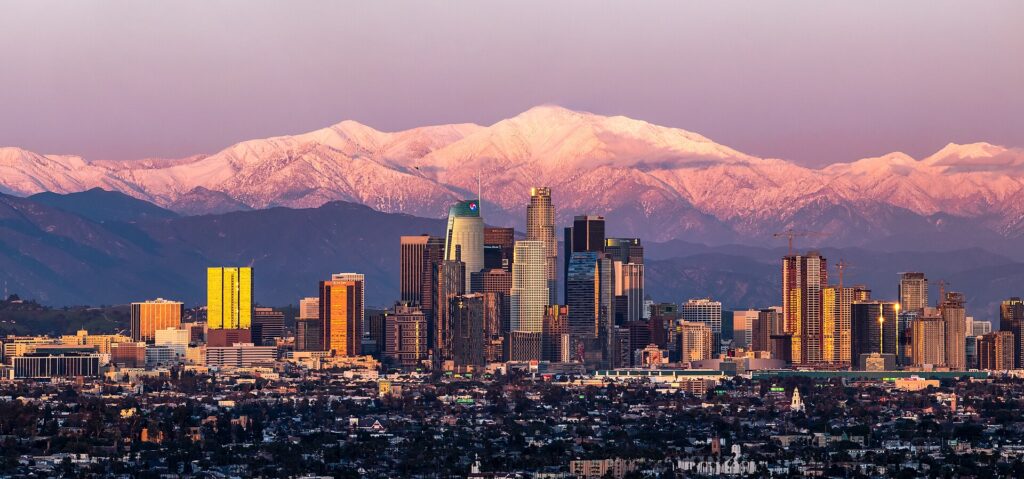
Winter is LA’s rainy season, but “rainy” here usually means a few storm systems a month with dry, bright days in between. Highs still average in the upper 60s, so a light jacket and an umbrella cover most days. The payoff comes after a storm: the air clears, and the San Gabriel Mountains behind downtown are often dusted with snow, a view that surprises many visitors.
December is festive and busy, with light displays, holiday markets and ice rinks around the region; our guide to Christmas in Los Angeles has ideas. Hotels fill up in the week between Christmas and New Year’s, so book early if you are coming then.
The year opens with the Rose Parade in Pasadena. The 138th parade takes place on Friday, January 1, 2027, with the theme “Welcome,” followed the same day by the 113th Rose Bowl Game. Spectators line Colorado Boulevard, and many camp out the night before for curbside spots. After New Year’s, January and February are among the quietest months for tourism, which can make them a good time to find hotel availability and shorter lines at popular museums.
Spring (March to May)
Spring is when Los Angeles looks its best. The hills are still green from winter rain, the days are warm rather than hot, and the calendar is full:
- LA Marathon: the 2027 ASICS Los Angeles Marathon runs on Sunday, March 7, 2027. Expect road closures along the course that morning.
- The Oscars: the 99th Academy Awards are set for Sunday, March 14, 2027, at the Dolby Theatre at Ovation Hollywood. In recent years Hollywood Boulevard next to the theater has been closed to traffic for about two weeks around the ceremony, with the Hollywood/Highland station affected, so plan Walk of Fame visits for another time if you can.
- Dodgers baseball: MLB’s provisional 2027 schedule has the Dodgers opening at home against the Atlanta Braves on March 25, 2027. The regular season runs through September.
- Coachella: held in Indio, in the desert well east of LA, on two weekends: April 9–11 and April 16–18, 2027.
- Acura Grand Prix of Long Beach: the street race returns April 16–18, 2027, with IndyCar on Sunday.
- LA County Fair: at Fairplex in Pomona, May 6–31, 2027.
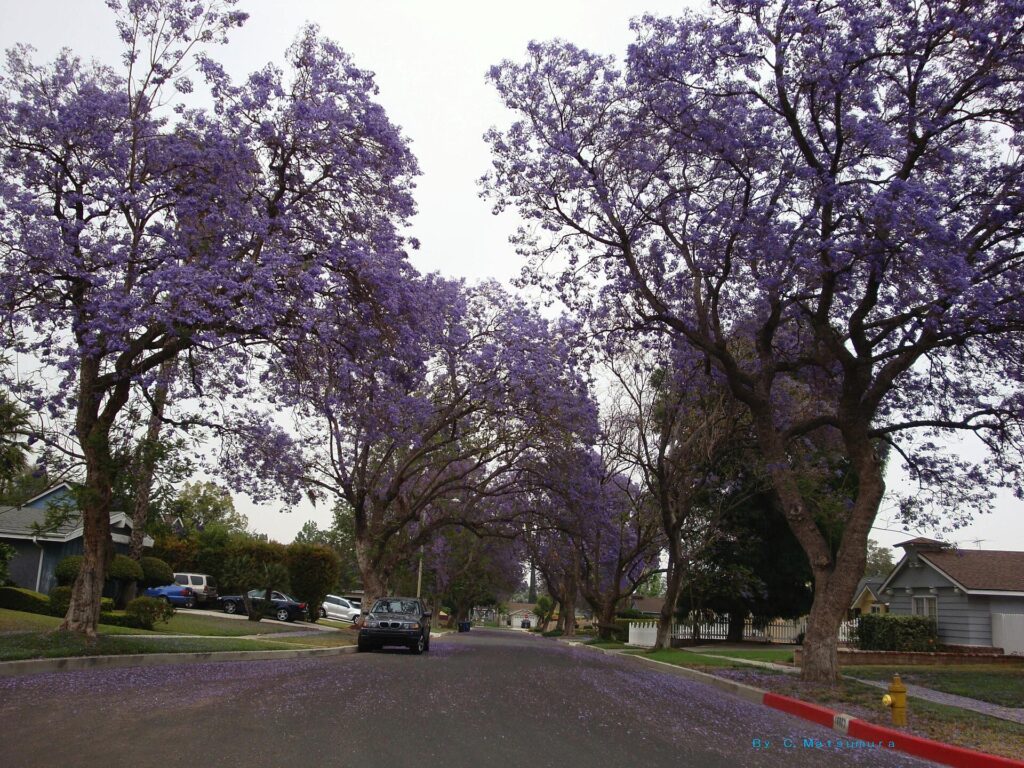
Late spring is also jacaranda season. These trees turn many LA streets purple, usually somewhere between late April and mid-June, with the timing varying from year to year. Spring is also convertible weather: warm enough to ride with the top down, cool enough to stay comfortable, which is why it is a favorite time for our classic car tour of Los Angeles in a 1970 Cadillac DeVille.
May Gray and June Gloom
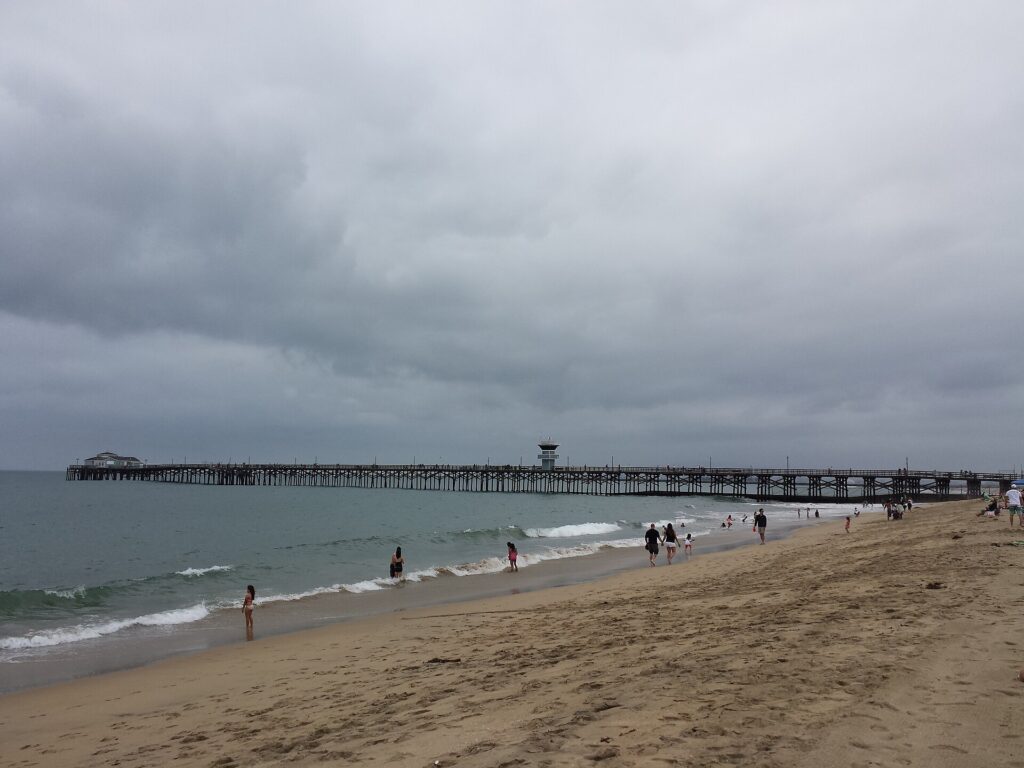
From roughly May into early July, a layer of low ocean clouds called the marine layer often covers the coast and sometimes the whole basin in the morning. Locals call it May Gray and June Gloom. It forms when cool, moist air near the ocean is trapped under warmer air above it. The clouds usually thin out by midday or afternoon inland, but on some days the beaches stay gray and cool until evening. It is not a reason to skip early summer, but if a sunny beach day is the main goal of your trip, July through September is the safer bet.
Summer (June to August)
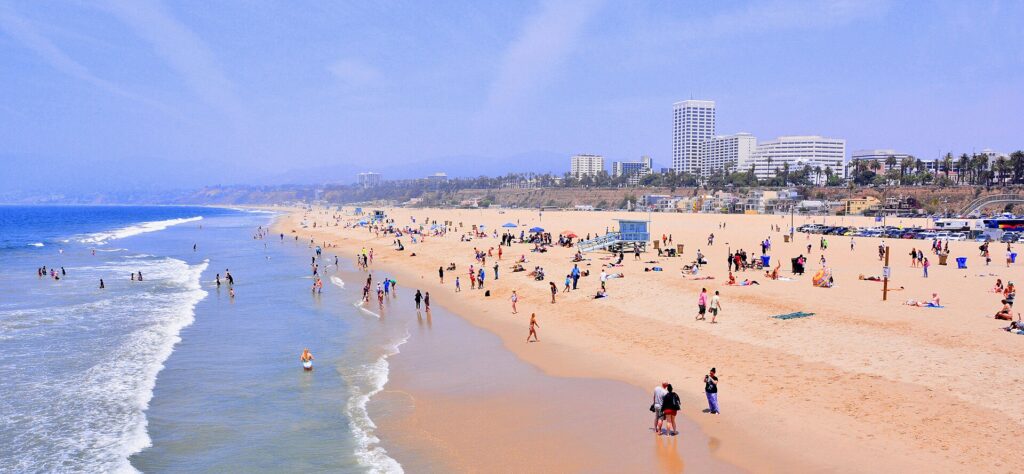
Summer is peak season. Schools are out, families travel, and the beaches from Santa Monica to Manhattan Beach are at their liveliest. Downtown highs climb into the 80s by August, while the coast stays milder. Expect the highest hotel rates of the year in beach towns and around major attractions, and book popular restaurants and tours ahead. Our guide to Los Angeles beaches will help you pick the right stretch of sand.
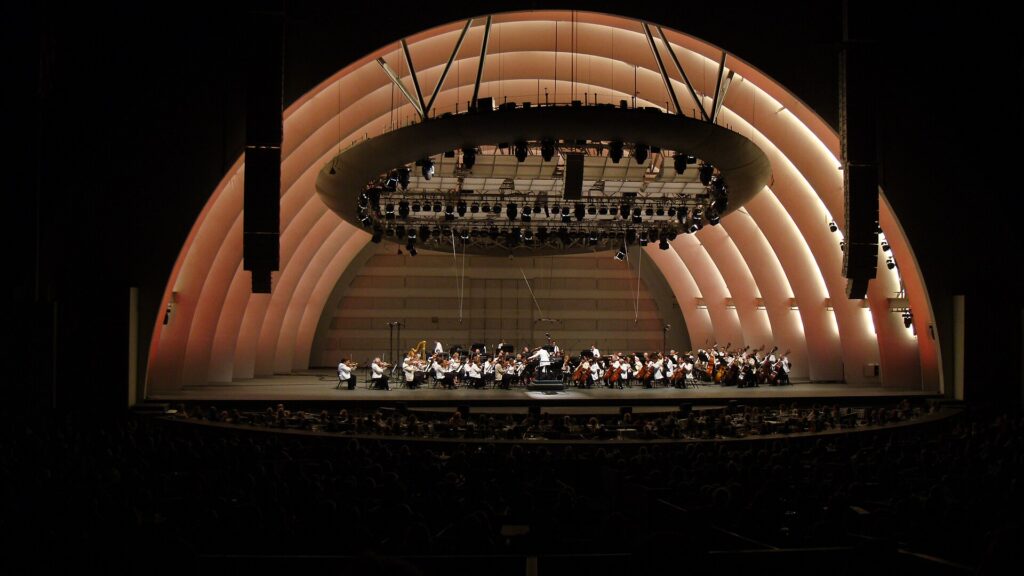
Summer is also outdoor concert season. The Hollywood Bowl opens its 2027 season on Saturday, June 5, 2027; the LA Phil says the full summer lineup will be announced in February 2027, and single tickets go on sale in May. Evenings at the Bowl get cool once the sun goes down, so bring a layer. Dodgers home dates this summer include Independence Day against the New York Mets.
Fall (September to November)
Fall is the locals’ favorite season. After Labor Day the summer crowds thin out, yet September is still one of the warmest months downtown. That makes September and early October excellent for beach days without the August crowds. Heat waves do happen in early fall, so plan museum time or indoor stops for the hottest afternoons.
Late October brings Halloween events across the city and Día de los Muertos celebrations, including the long-running festival at Hollywood Forever Cemetery, held on a Saturday in late October (the 2027 date had not been announced as of November 2026). By November, temperatures ease into the low 70s, the first rains usually arrive, and the city is quiet again until the Thanksgiving travel week.
Looking Ahead to 2028
If you are planning further out, Los Angeles hosts the Summer Olympic Games from July 14 to 30, 2028. Expect very high demand for hotels and transportation that summer; our LA 2028 Olympics visitor guide covers what is known so far.
First-Timer Tips for Los Angeles
Whenever you come, a few basics will make a first trip to LA smoother.
Getting Around: Car, Metro or Driver
Los Angeles is spread out, and most visitors still get around by car, rideshare or a mix of both. Traffic is heaviest during weekday morning and late-afternoon rush hours, so schedule long cross-town drives, such as downtown to Santa Monica, outside those windows. Parking is easy to find at most attractions but rarely free.
Metro rail is more useful than many visitors expect. In May 2026 the D Line subway extension opened three new stations along Wilshire Boulevard at La Brea, Fairfax and La Cienega, putting Museum Row and LACMA within a short walk of the Fairfax stop and linking Mid-Wilshire to Union Station and downtown. The B Line runs from downtown to Hollywood and Universal City, and the E Line reaches Santa Monica.
At LAX, taxis and rideshare pickups happen at the LAX-it lot next to Terminal 1, not at the terminal curbs. You can walk there or take the free shuttle from the arrivals level. The airport’s new automated people mover train had not opened as of November 2026; recent reports point to early 2027, so check flylax.com before you land.
If you would rather not drive on your main sightseeing day, a private SUV tour of LA with hotel pickup lets you see Hollywood, Beverly Hills and the coast in one day without dealing with traffic or parking.
Where to Base Yourself
Because the city is so large, where you stay shapes your whole trip. Santa Monica suits beach lovers and first-timers who like to walk. Beverly Hills and West Hollywood sit in the middle of the city, close to shopping, dining and nightlife. Hollywood puts you near the Walk of Fame and the Hollywood Bowl, and Downtown is handy for Metro, museums, concerts and Dodger games. Our guide to where to stay in Los Angeles compares the neighborhoods in detail.
Tipping in Los Angeles
Tipping is expected. The usual guidance is 15–20% at sit-down restaurants and for taxi rides, with 20% the common choice for good service, plus a dollar or two per bag for hotel bellhops. Some LA restaurants add a service charge or surcharge to the bill, so read your check before tipping: if a gratuity is already included, you do not need to add another.
Pack for Sun and Layers
Southern California sun is strong all year, even on cloudy marine-layer days, so bring sunscreen, sunglasses and a hat. Temperatures also swing a lot between afternoon and evening, and between the coast and inland neighborhoods. A light sweater or jacket earns its place in your bag in every month, especially for beach sunsets and open-air concerts.
Wildfire Season Awareness
Wildfire risk in Southern California is highest during dry spells with strong Santa Ana winds, which are most common from fall into winter. The January 2025 Palisades and Eaton fires showed that serious fires can happen even in the middle of winter. Fires rarely affect a short visit, but it is worth checking local news and air-quality alerts if you travel during a red-flag warning. Our LA wildfires travel guide explains what to watch for and which areas are open.
Plan Your Days
Group your sightseeing by area instead of zigzagging across town: Hollywood and Griffith Observatory one day, Beverly Hills and the Getty another, Santa Monica and Venice for a beach day. For ideas, see our lists of things to do in Los Angeles and free things to do in Los Angeles, or follow our plan for a weekend in Los Angeles if you only have two or three days.
Best Time to Visit Los Angeles: FAQ
What is the best month to visit Los Angeles?
For a balance of weather and crowds, April, May and October are hard to beat. Downtown highs average 72–79 °F in those months, rain is light, and the summer rush has either not started or already passed. If you want reliable beach sun with smaller crowds than in summer, choose September.
What is the rainiest month in Los Angeles?
February, with about 3.6 inches of rain on average at the downtown station, followed closely by January. Most of LA’s roughly 14 inches of yearly rain falls between November and April, and summer is almost completely dry.
Is June a good time to visit Los Angeles?
Yes, with one caveat: June Gloom. Mornings along the coast are often gray and cool, and some beach days never fully clear. Inland areas usually warm up by afternoon, the Hollywood Bowl season is underway, and summer crowds are only starting to build.
When is the cheapest time to visit Los Angeles?
Demand is usually lowest in January and February after the New Year’s holiday and in the weeks between Labor Day and Thanksgiving, outside major event weekends. Summer and the Christmas and New Year’s period are typically the most expensive times to book a hotel.