
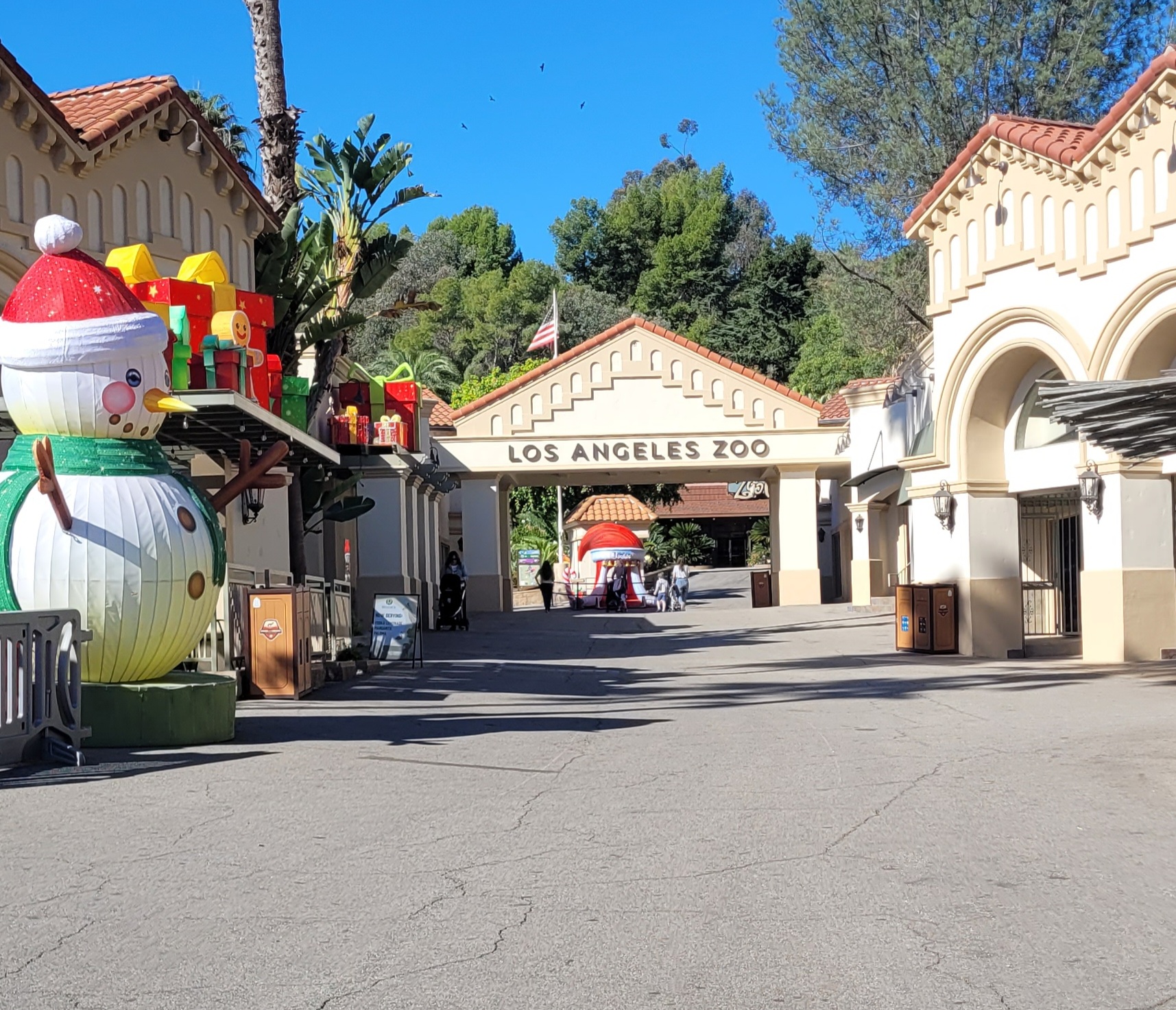
The Los Angeles Zoo and Botanical Gardens sits in the northeast corner of Griffith Park, where the 5 and 134 freeways meet. It covers 133 acres and is home to about 1,700 animals from more than 270 species, more than 60 of them endangered, along with more than 800 plant species. The City of Los Angeles owns it, and it is accredited by the Association of Zoos and Aquariums. On November 28, 2026, the zoo turned 60.
This guide covers hours, ticket prices, parking, the main habitats and animals, the zoo’s history (including the ruins of the original Griffith Park Zoo), L.A. Zoo Lights for the 2026–27 season, and what else is close by in Griffith Park. Hours, prices and schedules below come from the zoo’s own website as of late November 2026. They change, so check lazoo.org before you go.
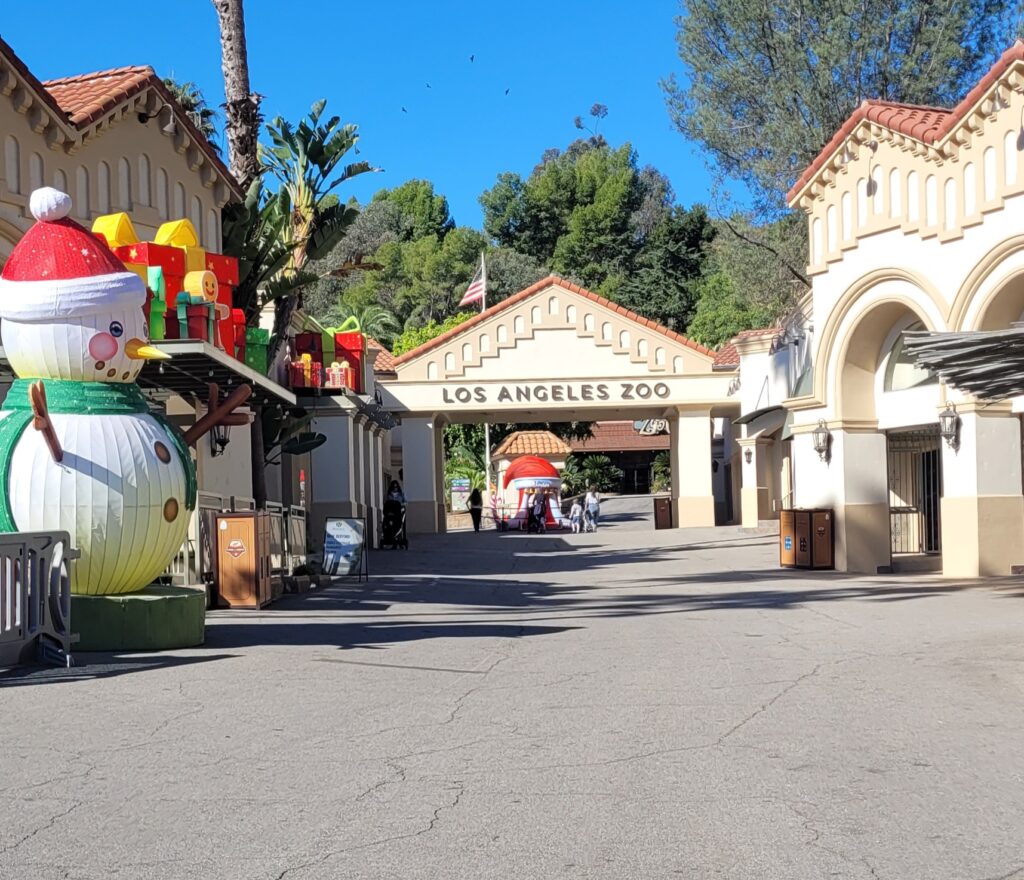
Los Angeles Zoo Hours, Tickets and Parking
Hours
The zoo is open 10 a.m. to 5 p.m. every day except Thanksgiving Day and December 25. Last entry is at 3:45 p.m., and the animals start going in for the night at 4 p.m. If you arrive after lunch, you get less than three hours with the animals on view.
Ticket prices
Tickets are sold for a specific date on the zoo’s online store. Prices can vary by date. The regular rates listed in late November 2026 were:
- Adults (13–61): $29
- Seniors (62+): $26
- Children (2–12): $24
- Under 2: free, but they still need a ticket
Online tickets cannot be refunded or exchanged for cash, so check the date before you check out. Other ways to pay less:
- Zoo + Aquarium of the Pacific combo: $70 for adults (12+) and $53 for children. It covers both the zoo and the aquarium in Long Beach.
- Military: active and retired U.S. military and their immediate families get $3 off adult and $2 off child admission. Only at the box office, with ID.
- Groups of 15 or more: $26 per adult and $23 per child (2–12). Only at the box office.
- Library pass: L.A. Public Library cardholders can reserve a free Discover & Go pass for up to four people. Only one pass is available per City Council district per day.
- Reciprocal members: members of some other zoos and aquariums get a discount at the box office.
Parking
Parking is free in the zoo’s lot. The zoo’s FAQ says all parking is free “until further notice.” LADWP is also building a solar carport with EV chargers in the zoo’s lot. The zoo hasn’t published construction dates or said whether any spaces will close.
Getting to the Los Angeles Zoo
The address is 5333 Zoo Drive, Los Angeles, CA 90027. The zoo is at the junction of the I-5 (Golden State) and 134 (Ventura) freeways, on the north side of Griffith Park. Traffic on the 5 and the 134 can add a lot of time, so leave extra room around rush hour.
By public transit, the zoo is a stop on Metro Bus 296, which runs between downtown Burbank and the Lincoln Heights/Cypress Park station. Metro’s trip planner shows connections from other parts of the city.
Many visitors combine the zoo with other Griffith Park stops on the same day. That is easiest by car, because the zoo, the Autry Museum and Travel Town are spread along Zoo Drive and the Observatory is on the other side of the park. Our One Day in LA tour and private SUV tour include hotel pickup if you would rather not drive.
Main Habitats and Animals
The zoo is divided into areas such as Animals of Africa, Animals of the Drylands, the South America section and the Winnick Family Children’s Zoo. The zoo’s website lists five signature exhibits. Many of its best-known animals live in the regional areas between them.
Campo Gorilla Reserve
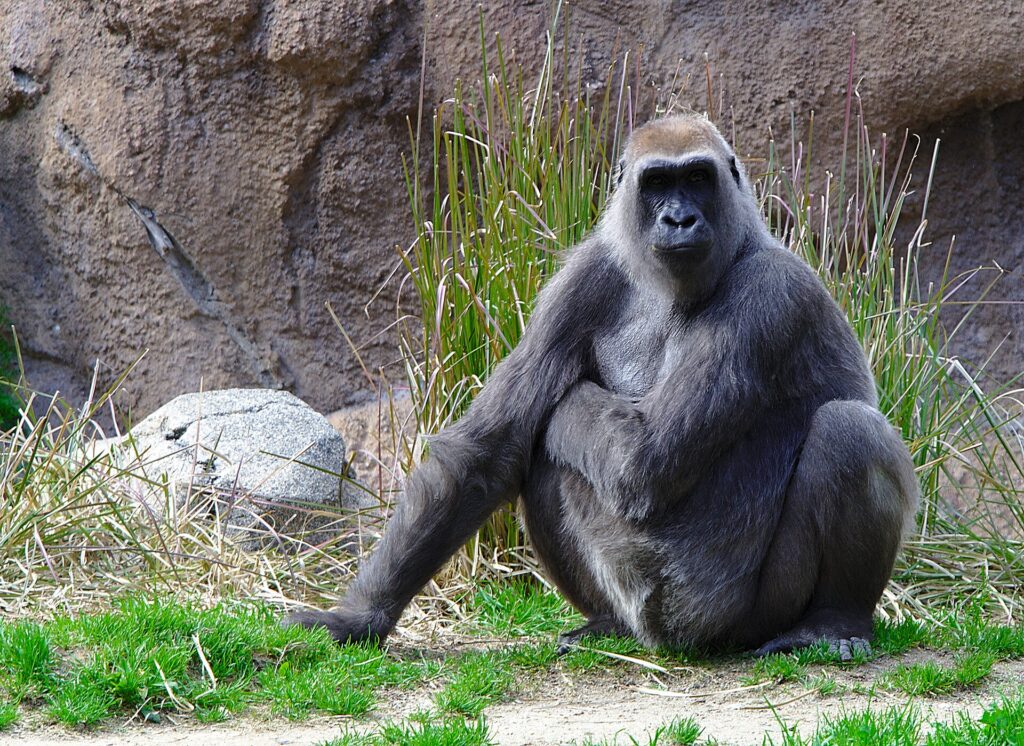
Western lowland gorillas live in a multilevel habitat with dense plantings and waterfalls, with several viewing spots. Keepers hold gorilla talks on some days, and the zoo calendar lists the times.
Chimpanzees of the Mahale Mountains
Opened on August 13, 1998, this was the first project finished under the zoo’s 1992 master plan. The zoo says its chimpanzee troop is one of the largest of any zoo in the country. The zoo’s 60th-anniversary page also mentions a great ape “baby boom” in 2025.
Red Ape Rain Forest
Bornean orangutans live in a climbing habitat with high platforms, hammocks, bridges and vines. They spend most of their time off the ground, so look up.
Rainforest of the Americas
The zoo’s last major capital project opened on April 29, 2014. It is a 2.2-acre habitat modeled on the Amazon, with jaguars, giant otters and several kinds of monkeys. The Canopy Cafe in the South America section opens on weekends.
The LAIR
The Living Amphibians, Invertebrates and Reptiles building opened on March 8, 2012. It shows more than 60 species. Across the zoo, the reptile collection includes the Komodo dragon, the false gharial, Gila monsters and venomous snakes such as the green mamba and the Gaboon viper.
Other animals to look for
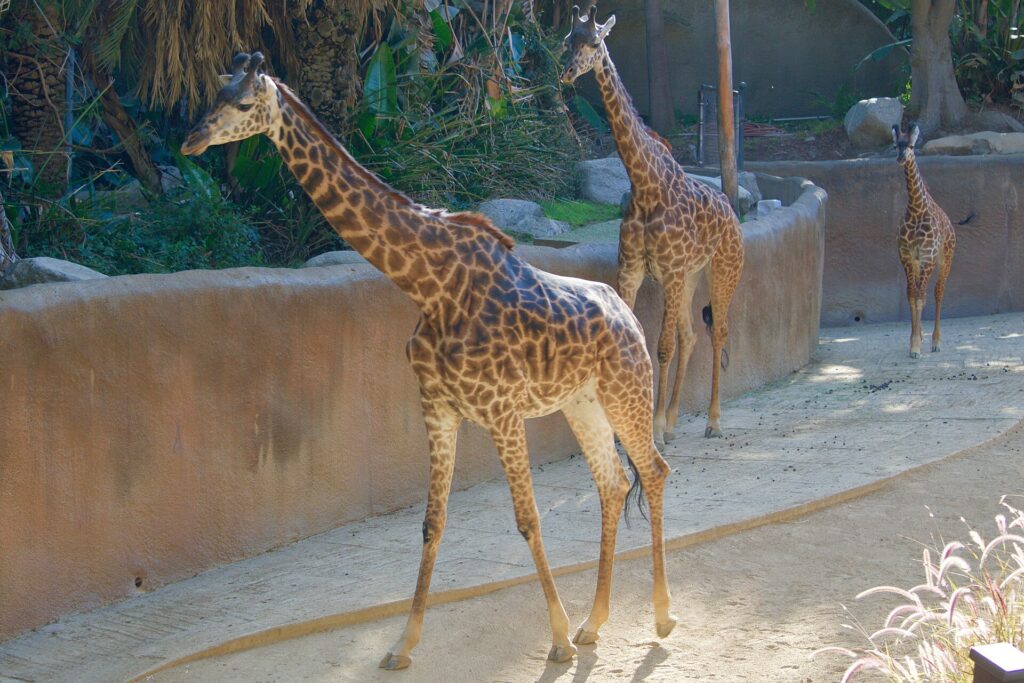
- From Africa: Masai giraffes, Grevy’s zebras, okapi, mountain bongo, meerkats and African painted dogs. In June 2026 a Grevy’s zebra foal was born, the first at the zoo in seven years.
- Cape vultures: a new habitat opened in Animals of Africa in February 2025. It holds a group of seven birds, with nesting nooks built into a rock wall. The zoo has cared for Cape vultures since 1985, and a chick hatched in 2026.
- From Asia: Sumatran tigers, snow leopards, a greater one-horned rhinoceros, Sichuan takin and François’ langurs.
- From Australia: western gray kangaroos, wallabies, a southern hairy-nosed wombat and Tasmanian devils.
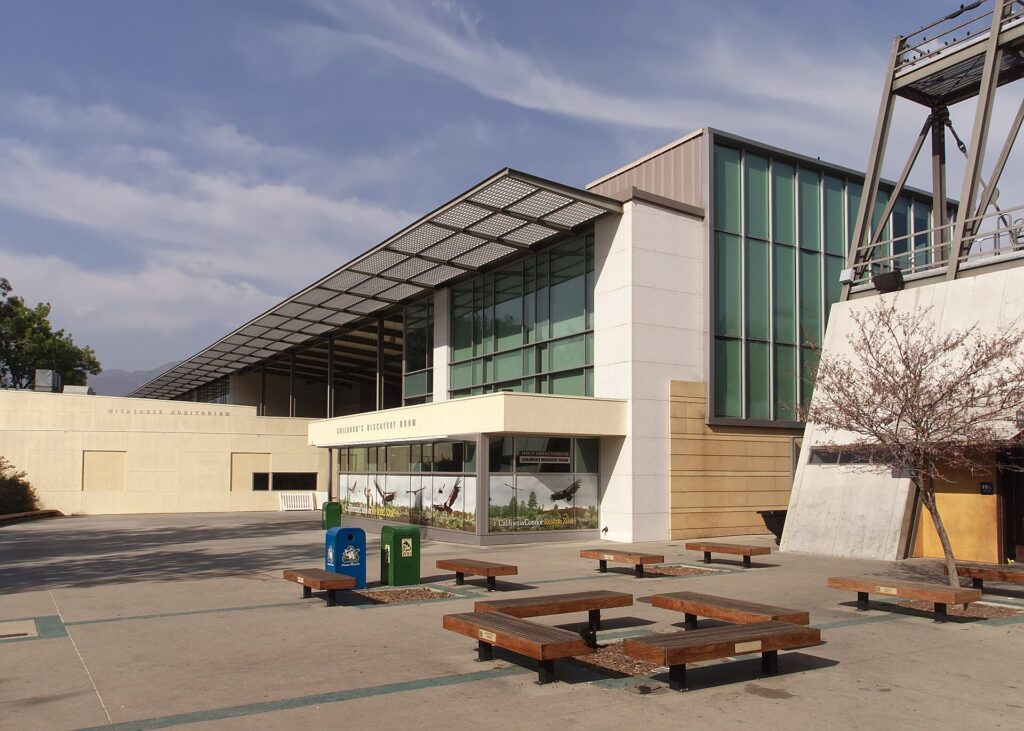
- Birds: flamingos, harpy eagles, Steller’s sea eagles, a southern cassowary, and both Andean and California condors.
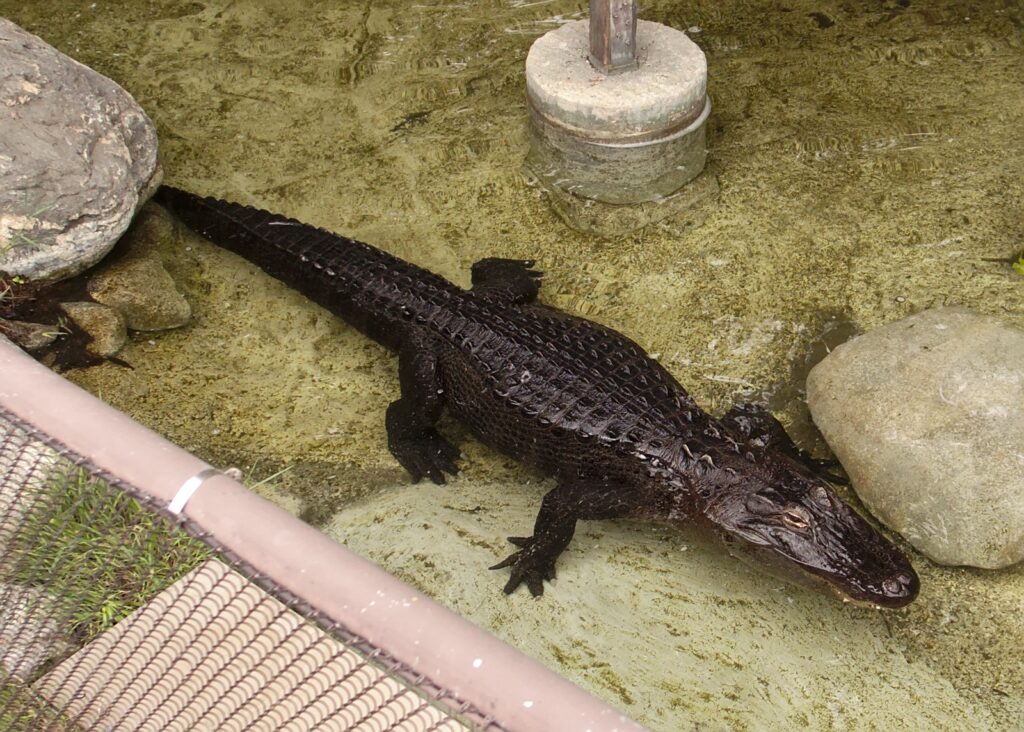
- Reggie the alligator: the zoo’s best-known American alligator lives next to the International Marketplace and Reggie’s Bistro, near the entrance.
A note on elephants: the Elephants of Asia habitat opened in 2010, but the zoo no longer has elephants. Its last two Asian elephants, Billy and Tina, moved to the Tulsa Zoo in May 2025. Elephants no longer appear on the zoo’s animal list.
Shows and activities
- Tom Mankiewicz Conservation Carousel: 64 hand-carved wooden figures and a wheelchair-accessible chariot. Rides cost $5. It runs daily from 10:30 a.m. to 4 p.m., weather permitting.
- Flamingo Mingle: Friday through Monday, 10:30 to 11:30 a.m. A cup of treats costs $10, and space is limited.
- Ambassador Animals: 11:30 a.m. on Monday, Tuesday, Thursday and Friday at the Project Pollinator HQ Stage in the Children’s Zoo. On Wednesday at 11:30 a.m. there is a birds-only session at the Bird Show Picnic Area Stage.
- Bird show: on hold for now while the zoo develops a new free-flight show.
- Children’s Zoo barnyard: kids can meet goats.
- Neil Papiano Play Park: reopened with new shade sails and fresh paint.
The Botanical Gardens
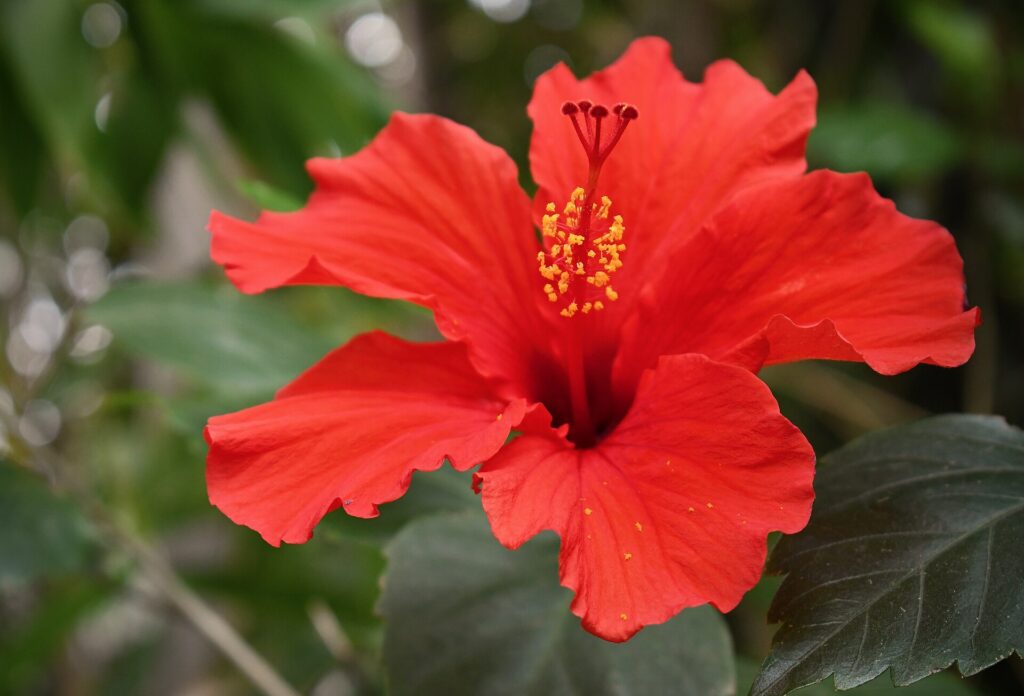
The “Botanical Gardens” part of the name is easy to miss, but the plant collection is large. It has more than 800 plant species and about 7,000 individual plants. You’ll find native Southern California gardens, cactus and succulent gardens, and a cycad garden. The zoo describes the cycads as plants from a lineage that has existed since the age of dinosaurs. Look for specimen trees such as the Chilean wine palm and bald cypress. The zoo’s Project Pollinator plants native habitat for songbirds, butterflies, bees and bats. The Bird Gardens are planted to attract wild and migratory birds.
History: From the Old Zoo to Zoo Drive
Los Angeles had a zoo in Griffith Park long before this one. The Griffith Park Zoo was built between 1912 and 1914 in a canyon on the park’s east side, below Bee Rock. In 1939, after a WPA improvement project, its animals moved into new rock grottoes with moats. By 1966 the old zoo held more than 2,000 animals. They were moved about two miles away to the new zoo on Zoo Drive, which opened to the public on November 28, 1966.
The new zoo has taken part in California condor recovery for decades. It has housed condors since 1967, and its first condor chick hatched on March 23, 1990. More than 160 chicks have hatched there since, with a record 17 in 2024. In 1998, Los Angeles voters passed Proposition CC, which provided $47.6 million in bond funding. Private donations added more than $30 million. That money paid for the zoo’s capital projects in the years that followed.
Next is the Vision Plan, a long-range redesign the City Council approved on August 2, 2023, in a California-focused version. The zoo’s 60th-anniversary page says to watch for “new exhibit developments” and a Conservation Action Plan in 2027. The zoo has not announced specific habitats or opening dates.
L.A. Zoo Lights 2026–27
L.A. Zoo Lights is the zoo’s holiday light show. It runs on select evenings from November 20, 2026, to January 10, 2027, 6 to 10 p.m. The 2026 theme covers plants and pollinators, with large light sculptures of birds, butterflies, insects, flowers, marine creatures and Ice Age giants. It also has projections, a giant snow globe, s’mores, churros and hot cocoa. Beer, wine and spiked cocoa are sold to guests 21 and older.
- Tickets: adults $29–$35 and children $19–$25, depending on the date. Under 2 is free. Tickets are sold by entry time. Members get discounts, and changing your date costs $5.
- Closed nights: November 26 and 30; December 1, 7, 14, 15, 16, 24, 25 and 31; January 4–7.
- Extras: the artificial ice-skating rink needs a separate ticket. Santa photos cost extra on select days.
- Community nights: Sensory-Inclusive Night on December 8 has smaller crowds and quieter music. Pride Night is on December 17.
- Time needed: 60 to 90 minutes for most guests. The box office opens from 5:45 to 8:45 p.m. on event nights.
For more displays around the city, see our guide to Christmas lights in Los Angeles.
Tips for Visiting
- Go early. Animals start going in at 4 p.m., so arrive close to the 10 a.m. opening to see the most. Many animals are less active in the afternoon heat, and the zoo warns that bad weather or extreme heat can make them harder to spot.
- Plan for hills. Some paths are steep. The zoo’s accessibility map marks each area as flat, gently sloping or hilly, and a large-print version is available.
- Safari Shuttle. This tram stops at five places around the zoo, and you can get on and off with one ticket. It costs $9 for adults, $5 for children and $2 for seniors and guests with disabilities. Under 2 rides free. Tickets are sold at the stops. Ask at the entrance whether it is running that day.
- Strollers and wheelchairs. Rentals at the International Marketplace, just inside the entrance, are first come, first served. A stroller is $15 and a double stroller $20. A manual wheelchair is $15 and an electric scooter $40, each with a $25 cash deposit.
- Food. You can bring your own food and non-alcoholic drinks. Glass, disposable straws and alcohol are not allowed. Inside the zoo you’ll find Reggie’s Bistro by the entrance and Zoo Grill at the Children’s Zoo. Pink’s Hot Dogs, near Cape Vulture Plaza in the Drylands, is open Friday through Sunday. A Coffee Bean & Tea Leaf truck parks in Selig Plaza. Mahale Café is closed for maintenance. For a meal before or after, see our family restaurants guide.
- Sensory support. The zoo is KultureCity-certified. Sensory bags with noise-canceling headphones are available at the International Marketplace.
- Rules. Pets are not allowed (service dogs are, after check-in at Admissions Window 11). Drones and smoking are also not allowed.
Nearby in Griffith Park
The zoo is one of several stops in Griffith Park. Our Griffith Park guide covers the rest of the park.
- Autry Museum of the American West (4700 Western Heritage Way), across from the zoo. It is open Tuesday to Friday 10 a.m. to 4 p.m. and weekends 10 a.m. to 5 p.m., and closed Mondays except some holidays. Adults pay $20, and parking is free for visitors.
- Travel Town Museum (5200 Zoo Drive): a railroad museum along Zoo Drive. Admission is free. It is open 10 a.m. to 5 p.m. and temporarily closed on Mondays.
- Old Zoo picnic area, off Griffith Park Drive. Los Angeles Recreation and Parks says its picnic tables are set among the old animal cages of the original Los Angeles Zoo. The grottoes, stairways and cages are still there. Many of the walls are covered in graffiti.
- Griffith Observatory (2800 East Observatory Road) has free admission and is closed Mondays. It is open noon to 10 p.m. Tuesday to Friday and 10 a.m. to 10 p.m. on weekends. Parking near the building is paid. See our Griffith Observatory guide.
If you are planning a family trip with more theme-park time, see our guides to amusement parks in Los Angeles and Disneyland tips.
Los Angeles Zoo: FAQ
Is parking free at the Los Angeles Zoo?
Yes. The zoo says all parking is free until further notice.
How much are Los Angeles Zoo tickets?
In late November 2026, regular rates were $29 for adults (13–61), $26 for seniors (62+) and $24 for children (2–12). Children under 2 are free but need a ticket. Prices are set by date, so check the zoo’s online store.
Can you bring food into the zoo?
Yes. Outside food and non-alcoholic drinks are allowed. Glass containers, disposable straws and alcohol are not.
Does the zoo still have elephants?
No. Its last two Asian elephants, Billy and Tina, moved to the Tulsa Zoo in May 2025, and elephants are no longer on the zoo’s animal list.