
Los Angeles is huge. The Hollywood Sign, the beach and downtown sit miles apart, and the drive between them can take 20 minutes or more than an hour depending on the time of day. That is why so many plans for one day in Los Angeles fall apart by lunchtime. This itinerary is built around how the city actually moves. It starts early in the hills, works west through Hollywood and Beverly Hills, and ends at the ocean for sunset, with one stop per area and no doubling back. If you would rather not drive, there is a downtown version you can do almost entirely by Metro, plus a short plan for a layover. If you would rather hand the driving and planning to someone else, a private one-day LA tour covers the same ground with hotel pickup. Hours and opening days below come from each venue’s official site as of November 2026, but they change, so check before you go.
One Day in Los Angeles at a Glance
The classic plan below works Tuesday through Sunday. On a Monday, the Getty Center and the Griffith Observatory building are closed, so use the Monday swaps noted in each step.
- 7:30 am Griffith Observatory grounds: city views and the Hollywood Sign before the crowds
- 9:15 am Hollywood Walk of Fame and the TCL Chinese Theatre forecourt
- 11:15 am Beverly Hills and Rodeo Drive, then lunch
- 2:00 pm The Getty Center (or LACMA on a Monday)
- 5:00 pm Santa Monica Pier and the beach for sunset, with an optional walk toward Venice
- 7:00 pm Dinner by the ocean, or back in Hollywood
The Classic LA in One Day Itinerary, Hour by Hour
7:30 am: Griffith Observatory grounds
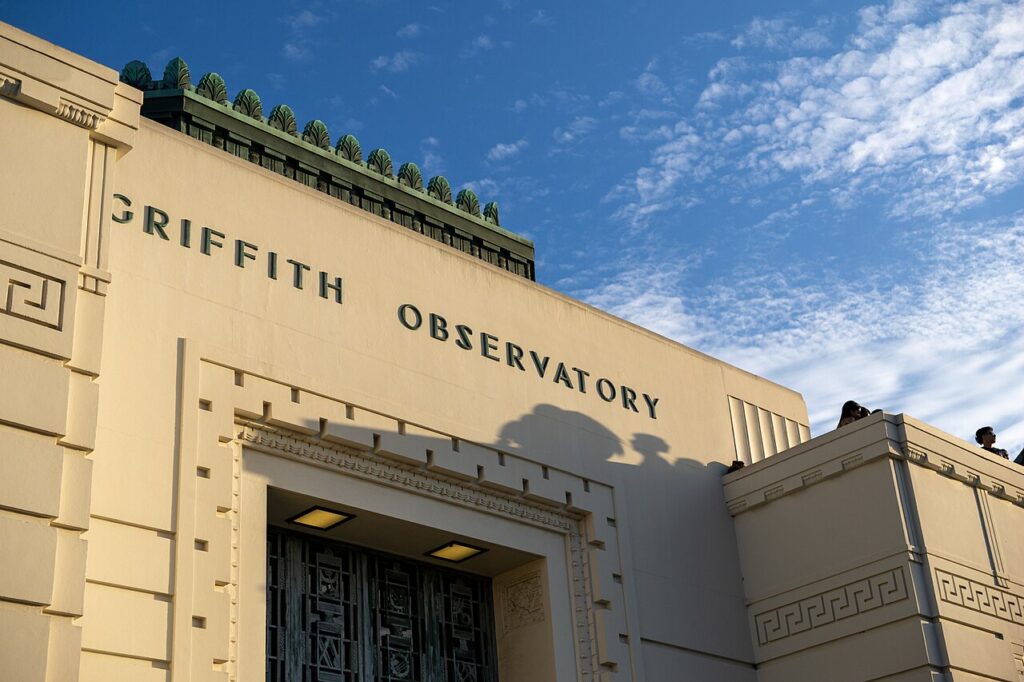
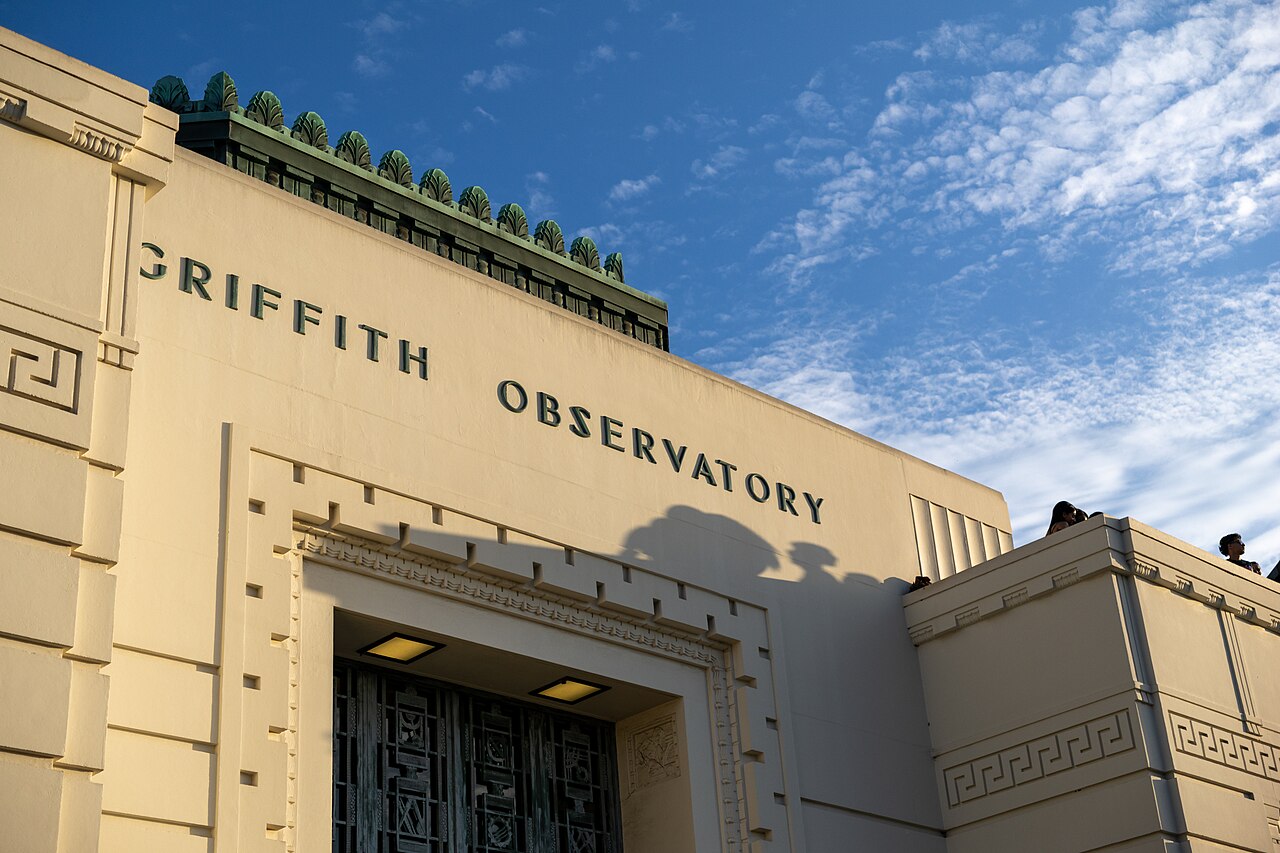
Start high. The Griffith Observatory building does not open in the morning: it is open Tuesday to Friday from noon to 10 pm and on weekends from 10 am to 10 pm, and it is closed on Mondays. The grounds and park roads, however, are open every day from 5 am to 10:30 pm, and the terraces are the main attraction at this hour. From the walkways around the building you look south over the whole basin to downtown and, on a clear day, to the ocean, and north to the Hollywood Sign on Mount Lee. Admission to the Observatory is always free.
Arriving early also solves the parking problem. The lot and the street spaces on West Observatory Road are pay-and-display (credit cards only), but payment applies only from noon on weekdays and from 10 am on weekends. On a weekday morning you will usually find a space with little trouble. For more angles on the city and the sign, see our guide to the best viewpoints in Los Angeles.
9:15 am: Hollywood Walk of Fame and TCL Chinese Theatre
Drive down into Hollywood (typically 15 to 20 minutes off-peak) and park in one of the paid garages around Hollywood Boulevard and Highland Avenue. The Walk of Fame runs along Hollywood Boulevard between Gower Street and La Brea Avenue, and along Vine Street between Yucca Street and Sunset Boulevard. The first star was placed in 1960, and more than 2,800 have been added since. The official site has a star directory and map if you want to find a particular name.
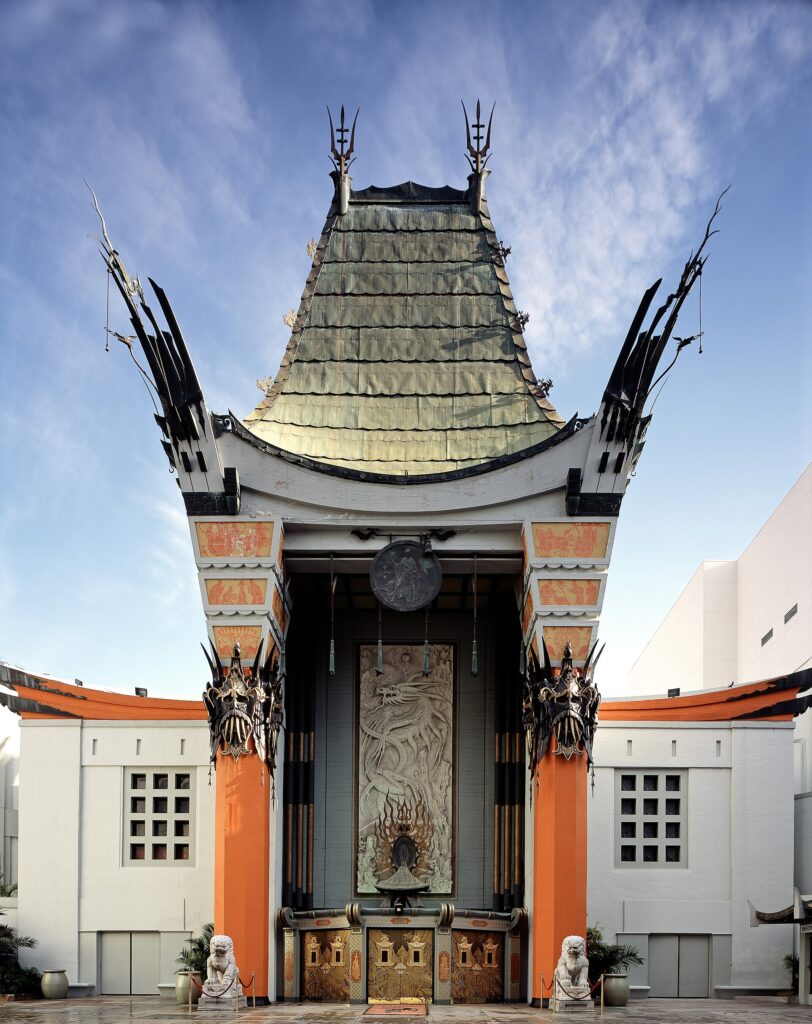
The busiest block is in front of the TCL Chinese Theatre, the 1927 movie palace that opened as Grauman’s Chinese. Its forecourt, set with the handprints and footprints of film stars, is free to walk through. Mid-morning is the sweet spot: the shops are opening, but the crowds and costumed characters are thinner than in the afternoon. Give this stop about an hour and a half, then get back on the road before lunch traffic builds.
11:15 am: Beverly Hills and Rodeo Drive
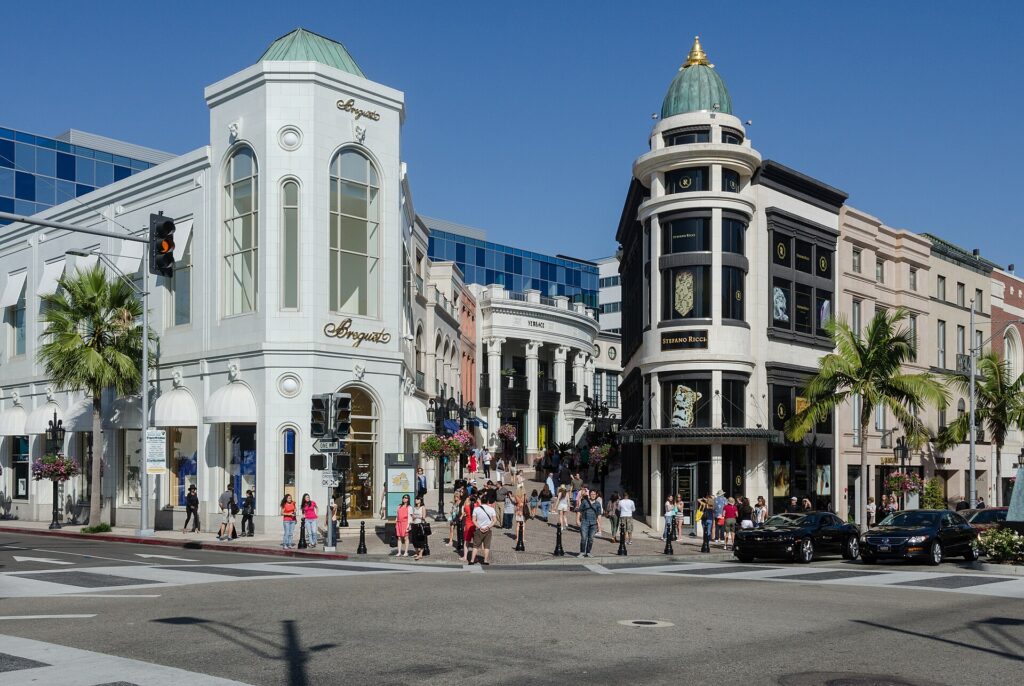
Head west along Sunset Boulevard or Santa Monica Boulevard to Beverly Hills, usually 25 to 40 minutes. Rodeo Drive’s famous stretch is just three blocks, lined with more than a hundred luxury houses, with the cobblestone Two Rodeo promenade and the Beverly Wilshire hotel at the Wilshire Boulevard end. You do not need to shop to enjoy it; window-walking the three blocks takes about 45 minutes.
Parking here is easy by LA standards: the City of Beverly Hills public structures nearest Rodeo Drive, including the one at 345 North Beverly Drive, give the first two hours free. That covers a walk and lunch nearby. For sit-down options across the city, see our list of the best restaurants in Los Angeles.
2:00 pm: The Getty Center (or LACMA on a Monday)
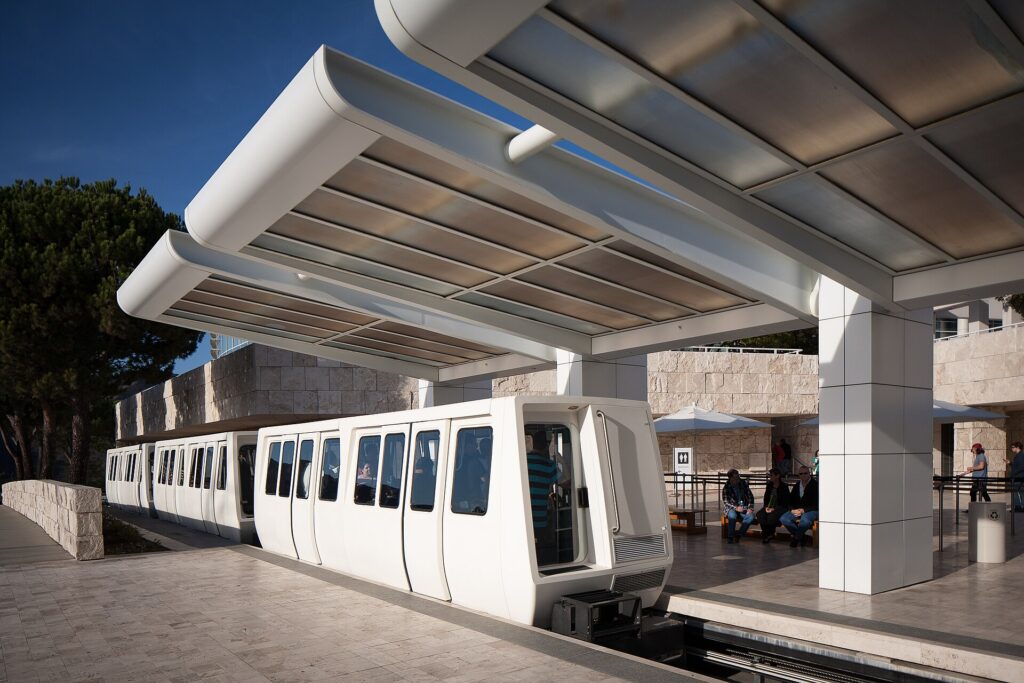
From Beverly Hills, the Getty Center is typically 20 to 30 minutes away via Sunset Boulevard or the 405, though the 405 can easily double that. The museum sits on a hilltop in Brentwood; you park at the bottom and ride a tram up to the campus. Admission is free, but you need a timed-entry reservation, which you can book online. Parking costs $25 per car, dropping to $15 after 3 pm (cards only). The Center is open Tuesday to Friday and Sunday from 10 am to 6:30 pm and Saturday from 10 am to 9 pm, and it is closed on Mondays.
Two to two and a half hours is enough for the gardens, the architecture and a few galleries. Note that the Getty is in the middle of a modernization project, and some galleries in the North, East and South pavilions are closed for renovation, so check what is on view when you reserve.
Monday swap: go to LACMA on Wilshire Boulevard instead. It is open on Mondays (11 am to 6 pm) but closed on Wednesdays. Its new David Geffen Galleries, designed by Peter Zumthor, opened on April 19, 2026, and since May 8, 2026, the Metro D Line stops right by the museum at Wilshire/Fairfax. Timed-entry tickets are recommended. If museums are your main interest, our Los Angeles museum guide compares the big ones.
5:00 pm: Santa Monica Pier and Venice for sunset
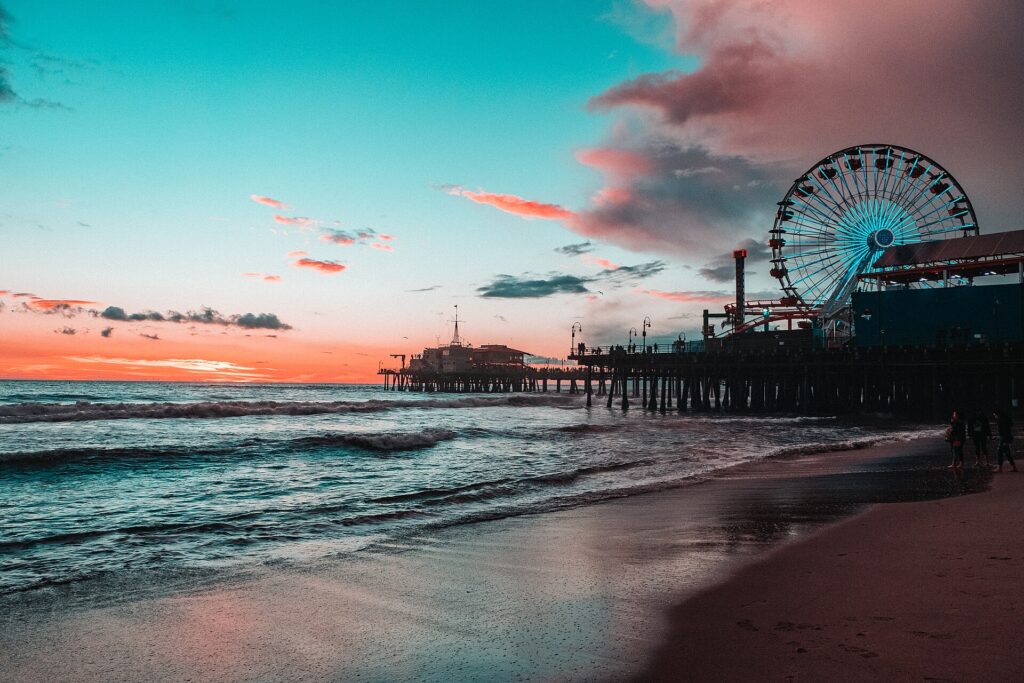
The drive from the Getty to Santa Monica is usually 25 to 35 minutes. The pier is open daily from 6 am to 10 pm, and walking on it is free; the rides and restaurants keep their own hours. Park in the beach lots along Appian Way (Lot 1 North is at 1550 Appian Way) or the pier deck, at posted rates. From the pier, the beach path runs south toward Venice, roughly two miles away, if you want to stretch your legs before dark.
Time this stop around sunset, which in Los Angeles ranges from about 4:45 pm in early December to just after 8 pm in late June. In winter, move the beach up and the museum earlier. Our guide to sunset views in Los Angeles has more spots if you are based elsewhere in the city.
7:00 pm: Dinner, two well-known options
- The Lobster, Santa Monica. A seafood restaurant at the top of the pier (1602 Ocean Avenue) that dates to 1923, with wide ocean views. It is open daily from noon to 9 pm, so book an early table if you want to eat as the sun goes down.
- Musso & Frank Grill, Hollywood. Serving Hollywood since 1919 at 6667 Hollywood Boulevard, it is the classic old-Hollywood dinner. It is open Tuesday to Saturday from 5 to 11 pm and Sunday from 4 to 10 pm, and closed on Mondays. Choose it if you are staying in Hollywood, and allow 40 to 60 minutes for the drive back from the beach.
Alternative Plan: Downtown and Culture Without a Car
If you are staying downtown or do not want to drive, this version keeps everything within a few Metro stops. It works best Tuesday through Sunday, because The Broad is closed on Mondays.
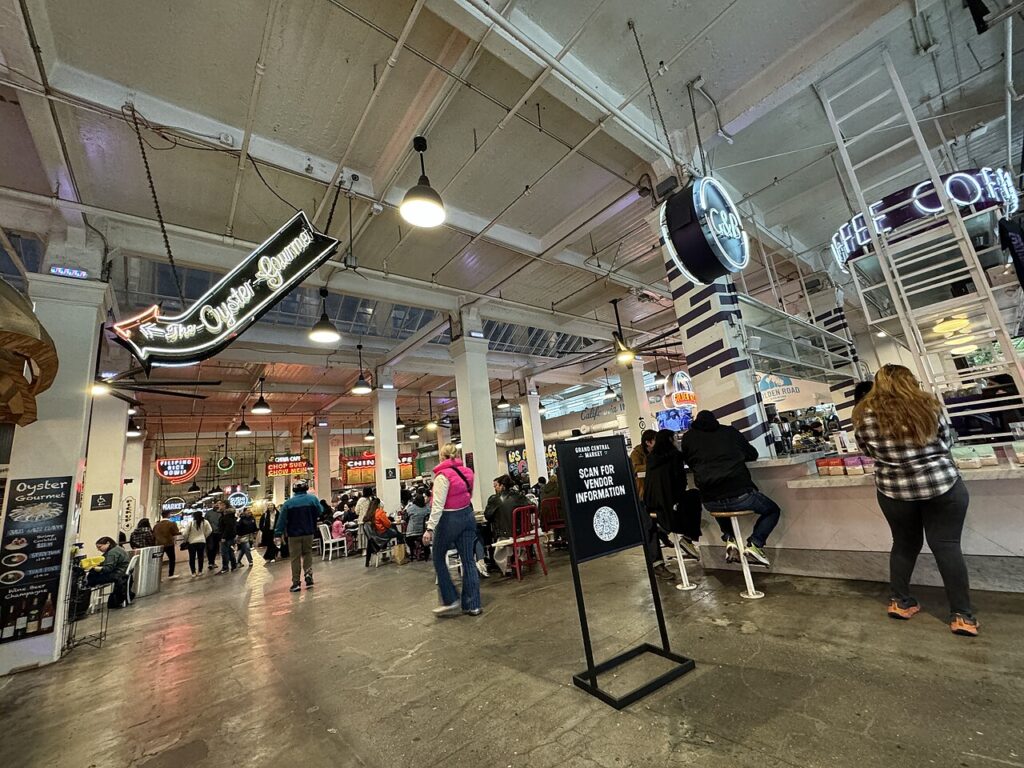
- 9:00 am Grand Central Market (317 South Broadway, near the Historic Broadway Metro station). The food hall is open daily from 8 am to 9 pm, though each stall sets its own hours. Get coffee at Go Get Em Tiger and try the carnitas at Tacos Tumbras a Tomas, a family-run stall that has been there for more than 50 years.
- 11:00 am The Broad (221 South Grand Avenue). General admission to this contemporary art museum is free. Booking a timed ticket in advance is recommended, although walk-ups are available daily and extra same-day tickets are released online. The Infinity Mirror Rooms need a separate advance reservation. Hours are Tuesday, Wednesday and Friday 11 am to 5 pm, Thursday 11 am to 8 pm, and weekends 10 am to 6 pm.
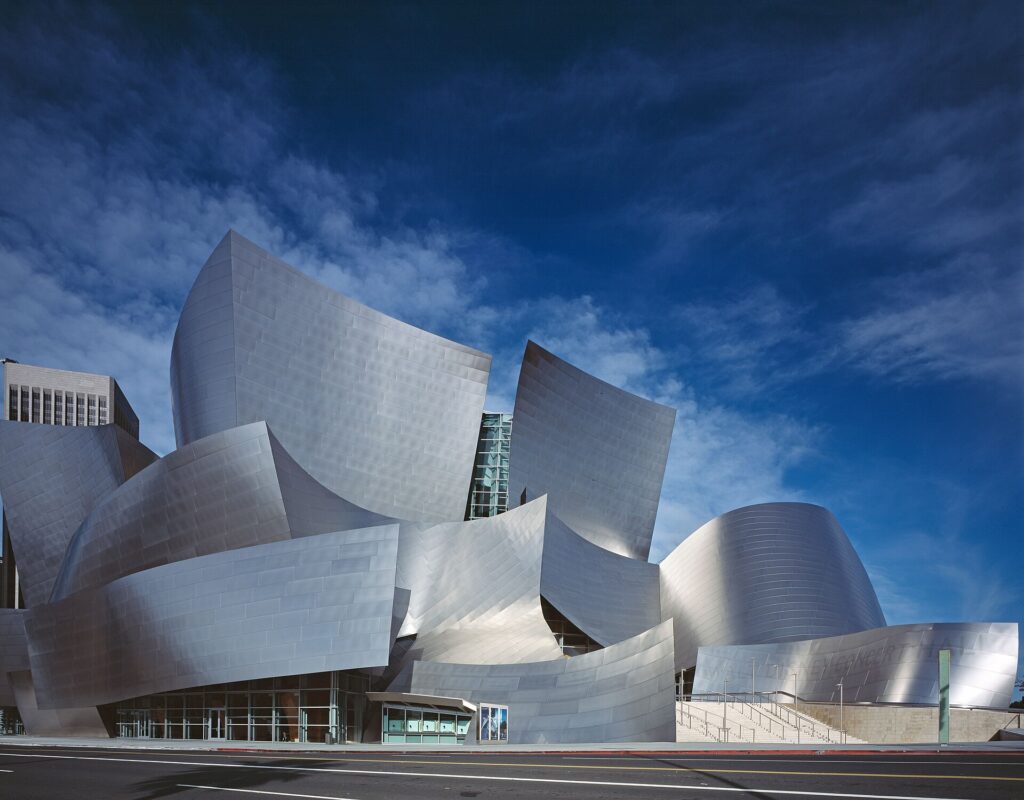
- 1:00 pm Walt Disney Concert Hall, across Grand Avenue. Frank Gehry’s stainless-steel hall can be explored on a free, one-hour self-guided audio tour offered most days from the Grand Avenue lobby. Start times vary with the performance schedule, so check the Music Center’s tour page that morning.
- 2:30 pm Little Tokyo. Ride to Little Tokyo/Arts District station for a late lunch of ramen, sushi or mochi and a walk around the historic Japanese American neighborhood.
- 4:00 pm Olvera Street and El Pueblo. A short walk or one stop away, near Union Station. This is where Los Angeles began: 44 settlers founded the pueblo in 1781. The Avila Adobe, built in 1818, is the oldest house in the city still standing on its original site, and Olvera Street has been a Mexican marketplace since 1930.
- Evening: Griffith Observatory. Take the Metro B Line to Vermont/Sunset and the DASH Observatory shuttle up the hill. It runs daily from 10 am to 10 pm every 20 to 25 minutes, and the fare is 50 cents, or 35 cents with a TAP card. On days the building is open, you can watch the sunset from the terrace and stay for the exhibits until 10 pm.
Only a Few Hours or a Layover?
With five or six hours between flights at LAX, pick one area and do it well. The beach is the obvious choice because it is the closest: Santa Monica and Venice are typically 25 to 40 minutes from the airport off-peak, and longer in rush hour. Walk the pier, follow the beach path toward Venice, eat, and head back with a generous buffer for traffic and airport security. If you have closer to eight hours and it is not a Monday, you could add the Getty Center or a quick look at the Hollywood Sign from Griffith Observatory, but do not try to fit Hollywood, downtown and the beach into one short stop.
Getting Around: Car, Metro or Rideshare
- Driving is the most flexible way to do the classic plan, since the Observatory, the Getty and the beach are not all near rail stations. Budget for parking: paid parking at Griffith after noon on weekdays, $25 at the Getty, free for two hours in Beverly Hills city garages, and posted rates at the beach.
- Metro costs $1.75 a ride with free transfers within two hours, and fares cap at $5 a day and $18 a week when you pay with a TAP card or the TAP app. The useful stations for visitors: Hollywood/Highland on the B Line for the Walk of Fame and TCL Chinese Theatre; Downtown Santa Monica, the end of the E Line, a short walk from the pier; Historic Broadway and Little Tokyo/Arts District on the A and E lines downtown; Union Station for Olvera Street; and, since May 2026, Wilshire/Fairfax on the D Line for LACMA.
- Rideshare fills the gaps where transit is slow, such as the Getty or the climb to Griffith Observatory, where West Observatory Road has a lane shared by buses, shared rides and taxis. Mixing Metro for long hops with a rideshare for the last mile is a good no-car strategy.
Typical Drive Times Between Stops
These are approximate times by car outside rush hour, with a rough rush-hour range in brackets. LA traffic is worst on weekdays from about 7 to 10 am and 3 to 7 pm, and a single accident can change everything, so check a live traffic app before each leg.
- Griffith Observatory to Hollywood Boulevard: 15 to 20 minutes (25 to 35)
- Hollywood to Beverly Hills: 25 to 40 minutes (40 to 60)
- Beverly Hills to the Getty Center: 20 to 30 minutes (40 to 60)
- Getty Center to Santa Monica Pier: 25 to 35 minutes (45 to 60)
- Santa Monica to Hollywood: 40 to 50 minutes (60 to 90)
- Santa Monica to downtown LA: 30 to 40 minutes (60 to 90)
What to Skip When You Only Have One Day
- Hiking to the Hollywood Sign itself. The letters are in a restricted, monitored area and you cannot touch them. The view from Griffith Observatory is better for a short visit, and our Hollywood Sign facts page lists the legal viewing spots.
- Theme parks. Universal Studios Hollywood or Disneyland each deserve a full day of their own. Adding one turns your day into a theme-park day.
- Two big museums. Choose the Getty or LACMA, not both. Each needs at least two hours, and they are on opposite sides of the Westside.
- Crossing town in rush hour. Plan to be at the beach, not driving to it, between 4 and 7 pm on a weekday.
- Lingering on Hollywood Boulevard. An hour or two is plenty. The Walk of Fame is worth seeing, but the stores around it are mostly souvenir shops.
Best Season and Time of Day
Spring and fall are the most comfortable seasons for a full day outdoors, with mild temperatures and long enough afternoons to reach the beach in daylight. In late spring and early summer, a marine layer often keeps the coast gray until midday, so the beach may be sunnier in the late afternoon than in the morning. Summer brings the longest days and the biggest crowds. Winter is mild but sunsets come before 5 pm, so start early and swap the museum and beach stops.
Prefer Someone Else to Drive?
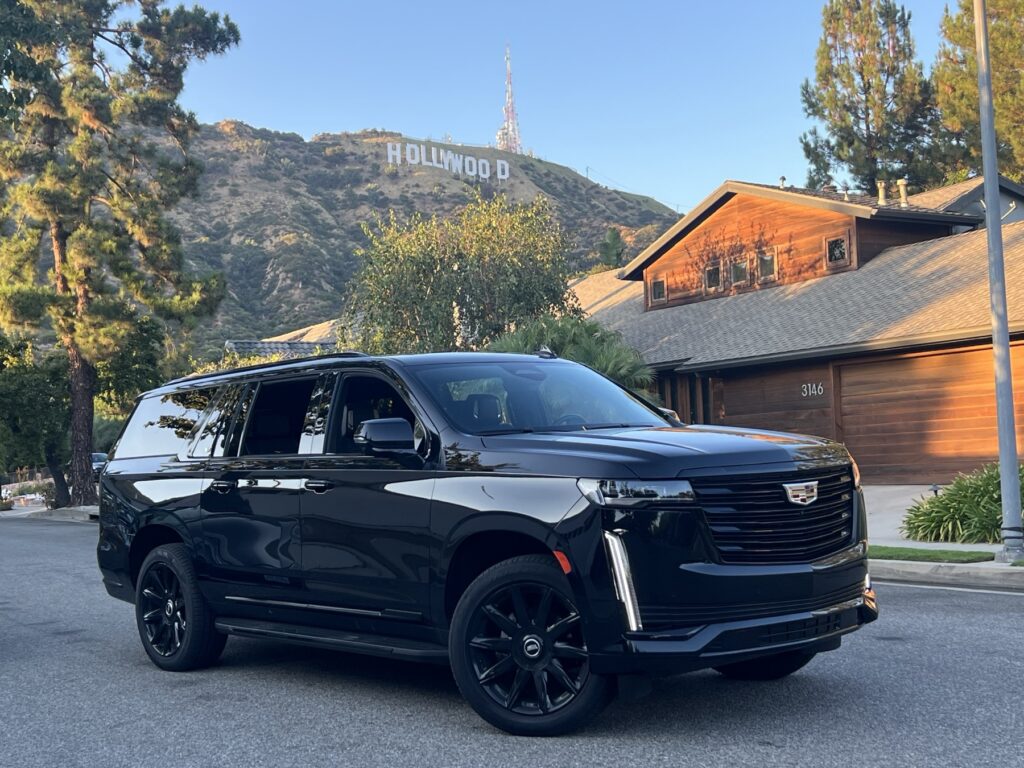
The hardest part of this plan is not the sightseeing but the driving, parking and timing. If you would rather sit back, our 1-day tour of Los Angeles covers the highlights in six hours with a private driver-guide and hotel pickup, and it is built around the same west-facing route. For something more cinematic, a classic car tour takes you past many of the same landmarks with the top down in a 1970 Cadillac DeVille convertible.
One Day in Los Angeles: FAQ
Is one day enough for LA?
It is enough for a strong first impression if you limit yourself to one area per part of the day: the hills in the morning, Hollywood and Beverly Hills around midday, a museum in the afternoon and the beach at sunset. It is not enough to see the theme parks, the whole coast or every neighborhood, so treat it as a sampler.
Can you see LA in one day without a car?
Yes, if you follow the downtown plan. Grand Central Market, The Broad, Walt Disney Concert Hall, Little Tokyo and Olvera Street are all close to Metro stations, and the DASH Observatory shuttle reaches Griffith Observatory from the B Line. Hollywood/Highland (B Line) and Downtown Santa Monica (E Line) also work by train. The Getty Center is the hardest stop without a car or rideshare.
Which day of the week is best?
Tuesday through Friday is ideal: everything in the classic plan is open and traffic is lighter than on weekends at the beach. Avoid Mondays if you can, when the Getty Center, The Broad, Musso & Frank Grill and the Griffith Observatory building are closed. LACMA is the exception: it opens on Mondays but closes on Wednesdays.
What can you do for free?
Quite a lot. Admission is free at Griffith Observatory, the Getty Center (with a timed reservation) and The Broad’s general collection, and walking the Walk of Fame, the TCL Chinese Theatre forecourt, Rodeo Drive, Olvera Street and the Santa Monica Pier costs nothing. Your main costs are parking, meals and any special exhibitions.